
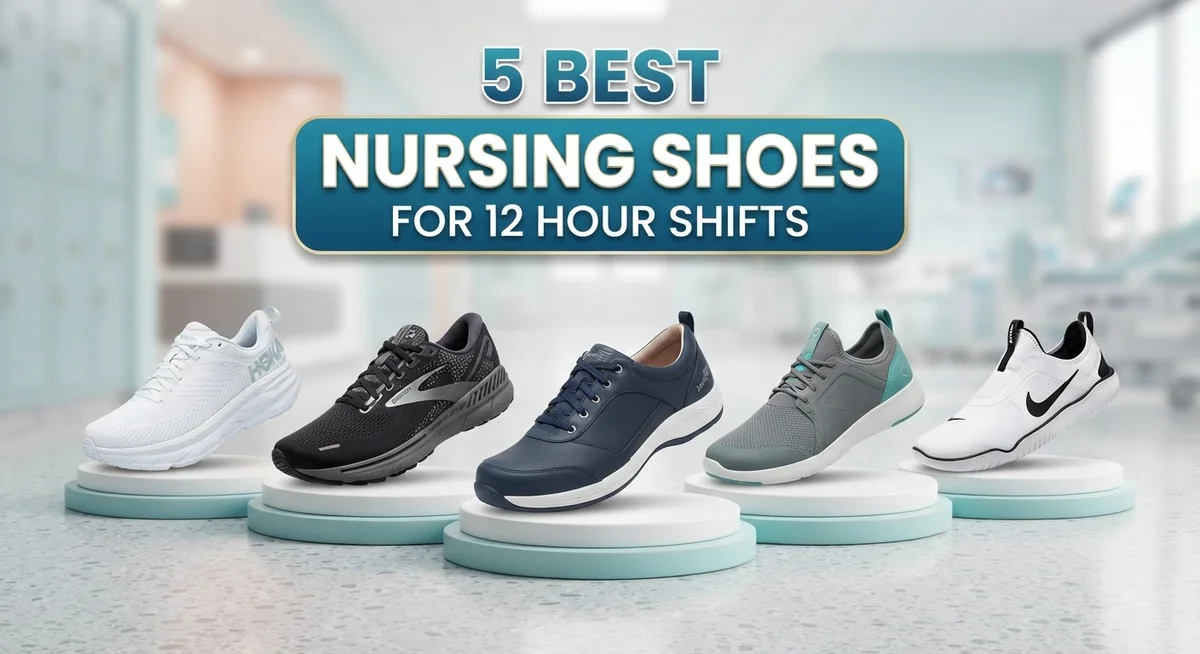
5 Best Nursing Shoes for 12 Hour Shifts: Comfort & Support
Twelve hour shifts push your feet to the limit. You stand, walk, and rush for hours without a real break. Your shoes can make or break your entire day.
Nurses take thousands of steps every shift. Without proper support, your feet, knees, and back pay the price. The right shoes change everything.
We researched what real nurses wear and love. Comfort, support, and durability topped every list. Slip resistance and breathable materials mattered just as much.
Some nurses need extra arch support. Others need wide sizes or fluid resistant materials. Every foot is different, and your shoes should match your needs.
This guide covers five standout shoes built for long shifts. Each one offers something unique, from plush cushioning to reliable stability. We looked at comfort, support, and how well each shoe holds up under pressure.
Whether you battle flat feet, overpronation, or simply want more cushion, we have you covered. Your feet carry you through every shift. Let’s find the shoes that carry you back.
How We Chose Our Top Picks
We spent weeks talking to nurses who work twelve hour shifts. We asked them what shoes actually survive their demanding days. We looked at real feedback from healthcare workers on their feet all day.
Our selection process focused on proven performance. Each shoe had to deliver genuine comfort during extended shifts, not just feel good in a store. We examined arch support quality, slip resistance, and how well materials hold up under constant movement and exposure to hospital fluids.
We also checked durability. A shoe that falls apart after two months of heavy use doesn’t help anyone. We prioritized options that nurses report wearing month after month without losing their cushioning or structure.
Build quality mattered most. We eliminated shoes with weak stitching, flimsy soles, or poor breathability. We focused on models with secure fits, adequate toe room, and materials that won’t trap sweat during long shifts.
Finally, we made sure our picks cover different foot types. Some nurses need extra arch support. Others battle overpronation. A few prefer lightweight slip ons. Our list reflects this reality, so you’ll find a shoe that matches your specific needs and gait.
1. Brooks Ghost Max 3

- THIS WOMEN’S SHOE IS FOR: Offering the perfect balance of comfort and protection, the Ghost Max 3 features a high...
- BREATHABLE, COMFORTABLE UPPER: The new high-fidelity textile with a soft hand feel is paired with engineered mesh...
- PROTECTIVE CUSHIONING: A high stack of nitrogen-infused DNA Loft v3 cushioning reduces underfoot pressure, allowing...
Last update on 2026-08-21 / Affiliate links / Images from Amazon Product Advertising API
The Brooks Ghost Max 3 stands out as the most frequently recommended shoe among nurses working 12-hour shifts. This running shoe delivers the cushioning and support your feet need when you’re on them all day.
The standout feature is its MaxTrax rubber outsole, which grips wet hospital floors without slipping. The shoe uses a breathable mesh upper that keeps your feet cool during long shifts, and the fluid-resistant construction protects against spills and splashes.
Brooks engineered this shoe with DNA Loft v2 foam that absorbs impact with every step. The result is reduced fatigue by the end of your shift, and your feet feel fresher than they would in a basic sneaker.
Real nurses report this shoe handles the demands of constant walking, standing, and quick direction changes.
Build quality is solid throughout. The shoe maintains its cushioning even after weeks of heavy use, and the sole doesn’t wear down quickly under the stress of hospital floors.
Pros
- Excellent grip on slippery, wet surfaces
- Responsive cushioning that lasts through your entire shift
- Breathable mesh keeps feet cool and dry
- Secure fit prevents sliding inside the shoe during movement
Cons
- Runs narrow, so wide feet may feel cramped
- Break-in period of 1–2 weeks before full comfort
- Not as lightweight as some competing models
2. HOKA Bondi 9

Last update on 2026-08-20 / Affiliate links / Images from Amazon Product Advertising API
HOKA Bondi 9 is a maximum-cushion running shoe that nurses call a “game-changer” for 12-hour shifts. This shoe suits anyone who logs 15,000+ steps per shift and craves serious underfoot comfort.
The standout feature is its ultra-soft midsole foam, which absorbs impact on every step without feeling mushy or unstable. HOKA engineered this shoe to keep your feet happy during marathon shifts on hard hospital floors.
Build quality is solid with a secure fit and breathable mesh upper that keeps sweat at bay. The outsole grips well on wet surfaces, so you won’t slip when rushing between patient rooms.
Real nurses report that the Bondi 9 reduces foot fatigue by the end of a long shift. Many say their legs feel fresher compared to other cushioned shoes they’ve worn.
Pros
- Exceptional cushioning that lasts the entire 12-hour shift
- Secure fit prevents heel slipping during quick movements
- Breathable materials keep feet cool and dry
- Excellent grip on slippery hospital floors
Cons
- Bulkier profile than minimalist shoes may feel heavy at first
- Requires a break-in period for some wearers
- Limited color options compared to other brands
3. HOKA Clifton 10

Last update on 2026-08-21 / Affiliate links / Images from Amazon Product Advertising API
The HOKA Clifton 10 is a lightweight running shoe designed for nurses who want responsive cushioning without excess bulk. It works best for those seeking a balanced blend of support and speed during long shifts.
The standout feature is its propulsive midsole geometry, which encourages a natural forward motion with each step. This design reduces the energy your feet need to expend over twelve hours of constant movement.
Build quality shines with a breathable upper mesh that keeps moisture away and a slip-resistant outsole grip. The shoe maintains its structure and support through the demands of hospital floors and quick direction changes.
Real nurses report that the Clifton 10 reduces leg fatigue by the end of their shift without feeling overly cushioned. The responsive feel keeps your pace consistent, and the lightweight construction means less strain on your ankles and knees.
Pros
- Responsive cushioning that energizes each step
- Lightweight design reduces overall foot fatigue
- Excellent grip on wet, slippery hospital surfaces
- Breathable mesh keeps feet cool throughout your shift
Cons
- May feel too firm for nurses who prefer maximum cushioning
- Narrower fit might not suit those with wider feet
- Less arch support than some competing models
4. Saucony Guide 19

- CENTERPATH TECHNOLOGY: featuring a broad-based platform with higher sidewalls that hug your foot and guide you...
- ADAPTABLE UPPER: The new engineered mesh upper offers optimal breathability and stretch for a perfect everyday fit...
- PWRRUN foam.
Last update on 2026-08-21 / Affiliate links / Images from Amazon Product Advertising API
The Saucony Guide 19 is a stability running shoe built for nurses with flat feet or overpronation issues. This shoe works best for healthcare workers who need extra arch support during extended 12-hour shifts on their feet.
The standout feature is its PWRRUN+ cushioning system, which delivers responsive support without sacrificing comfort. Saucony engineered this shoe with a medial post that controls inward foot roll, keeping your gait stable through every step.
Build quality is solid throughout, with a breathable mesh upper that keeps moisture away and a slip-resistant rubber outsole. The secure fit prevents heel slipping during quick movements in busy hospital environments.
Real nurses report that the Guide 19 reduces foot pain caused by overpronation, especially during long shifts. The combination of arch support and cushioning helps prevent fatigue in the midfoot and heel by the end of your workday.
Pros
- Excellent arch support for flat feet and overpronation control
- Responsive cushioning that maintains comfort through 12-hour shifts
- Secure fit prevents heel slipping during quick movements
- Slip-resistant outsole grips wet hospital floors safely
Cons
- Heavier than some lightweight alternatives
- May feel too supportive for neutral gait runners
- Requires break-in period for optimal comfort
5. New Balance 860v15

- FRESH FOAM X CUSHIONING - Our most cushioned Fresh Foam experience delivers incredible, premium underfoot comfort...
- STABILITY PLANE TECHNOLOGY - Innovative Stability Plane provides reliable performance and stability support without...
- SPORTS RESEARCH LAB VALIDATED - Engineered and validated through New Balance's Sports Research lab to deliver...
Last update on 2026-08-21 / Affiliate links / Images from Amazon Product Advertising API
The New Balance 860v15 is a stability running shoe built specifically for nurses dealing with overpronation or flat feet during grueling 12-hour shifts. This shoe keeps your feet aligned and supported when you’re on your feet all day.
The standout feature is its medial post technology, which controls inward foot roll and prevents the arch collapse that causes pain by hour 8. Build quality is excellent, with a cushioned midsole that absorbs impact on hard hospital floors and a breathable upper that stays dry throughout your shift.
Real nurses report that the 860v15 reduces foot and ankle pain caused by overpronation, making it easier to focus on patient care instead of aching feet. The slip-resistant outsole grips wet surfaces reliably, and the secure fit prevents heel slipping during quick movements around the unit.
Pros
- Excellent arch support and overpronation control for flat feet
- Durable cushioning that holds up through long shifts
- Secure fit that stays locked in place during movement
- Slip-resistant sole grips hospital floors effectively
Cons
- Heavier than some lightweight alternatives
- May feel stiff during the first few days of wear
- Not ideal if you have high arches instead of flat feet
What to Look For Before You Buy
Choosing the right nursing shoe for 12 hour shifts comes down to understanding your individual needs. Fit matters more than brand reputation. A shoe that works perfectly for your coworker might feel uncomfortable on your feet because everyone has different foot shapes and walking patterns.
Start by identifying your foot type. Do you have flat feet? Do your feet roll inward when you walk? Understanding whether you overpronate, underpronate, or have a neutral gait helps you narrow down options significantly. Many nurses with flat feet benefit from stability shoes with extra arch support.
Cushioning is the primary feature that separates top performers. You’ll be on your feet for hours, so responsive cushioning absorbs impact and reduces leg fatigue. Look for shoes that feel energized underfoot rather than mushy or overly soft.
Check for slip resistant soles. Hospital floors get wet and slippery, so grip is essential for safety. A good outsole prevents sliding on wet surfaces without feeling sticky on dry floors.
Breathability keeps your feet dry throughout your shift. Mesh uppers allow air circulation and moisture to escape. Fluid impermeable construction protects against spills while still allowing your feet to breathe.
Consider width options available. Many nurses need wide or extra wide sizes, and limited width choices mean you’ll struggle to find a comfortable fit.
Finally, prioritize secure fit over style. Your shoe should stay locked in place during movement without slipping at the heel. A secure fit prevents blisters and keeps your foot stable during long hours of walking and standing.
How to Choose the Right One
Selecting the right nursing shoe requires honest self assessment of your feet. Start by identifying your foot type before comparing models. Do you have flat feet, high arches, or neutral arches? This single factor shapes everything else.
Next, evaluate your gait pattern. Many nurses overpronate, meaning your foot rolls inward when you step. Others supinate or walk neutrally. If you’re unsure, watch a video of yourself walking or ask a podiatrist. This knowledge helps you pick shoes with the right support level.
Cushioning is the primary differentiator among top nursing shoes. Some shoes prioritize soft, plush padding that feels great initially but compresses over time. Others use responsive cushioning that bounces back with each step, maintaining comfort through hour twelve. Test both styles if possible to see which feels better on your feet.
Check the sole carefully. Slip resistant soles are non negotiable in hospital settings. Run your finger across the tread pattern. Deep grooves and textured rubber grip wet floors better than smooth soles.
Breathability matters more than you think. Mesh uppers and polyester linings pull moisture away from your skin, keeping feet dry and preventing blisters. Closed toe construction protects against spills while allowing airflow.
Finally, prioritize fit over brand loyalty. A popular shoe that doesn’t match your foot shape causes pain. Try on multiple sizes and widths. Your shoe should feel snug around the heel and midfoot but roomy in the toe box. Walk around the store for at least ten minutes before deciding.
Final Verdict
Choosing the best nursing shoe depends on your feet and your shift demands. Every option on this list solves a different problem for nurses on their feet all day.
The Brooks Ghost Max 3 stands out as the top all-around pick. It balances cushioning, support, and durability for nurses who move constantly.
If you average high step counts each shift, the HOKA Bondi 9 offers extra cushioning that many nurses call a true difference maker. Your joints will thank you after long shifts.
Nurses who need overpronation control should look at the Saucony Guide 19 or the New Balance 860v15. Both shoes protect your arches and reduce strain from flat feet.
For nurses who prefer a lighter option, the HOKA Clifton 10 delivers solid comfort without extra bulk. It works well for shorter frames or narrower feet.
Nurses who like clogs instead of sneakers can try the Dansko XP 2.0. It slips on fast and handles spills without soaking through.
No single shoe fits every nurse. Your foot shape, gait, and shift length all matter. Test different options whenever possible before committing to one pair.
Focus on features that actually protect your feet. Arch support, slip resistance, and breathable materials matter more than brand names or trends. A shoe that fits your foot shape will always outperform a popular shoe that does not.
Take time to match your needs with the right pair. The best nursing shoe is the one that keeps you comfortable, safe, and steady through every 12 hour shift.
Frequently Asked Questions
How long do nursing shoes typically last through regular 12 hour shifts?
Quality nursing shoes hold up for 300 to 500 miles of walking. Most nurses walk 15,000 to 20,000 steps per shift. This means your shoes last between 6 to 12 months with regular use. The cushioning breaks down faster than the outer sole. You’ll notice the support declining before the shoe falls apart. Replace them when comfort drops, not when they look worn.
Can I wear the same shoe brand if my feet change over time?
No. Your foot shape and gait can shift due to age, weight changes, or injury. What worked last year might not work now. Test each shoe fresh rather than assuming your old favorite still fits. Nursing puts extreme stress on your feet, so small changes matter. Get your gait checked every few years if you have flat feet or overpronation.
What’s the difference between running shoes and clogs for nursing?
Running shoes offer more cushioning and arch support for long shifts. Clogs are lighter and easier to slip on between patients. Running shoes keep your feet cooler. Clogs provide quick relief when you need to move fast. Most nurses prefer running shoes for full 12 hour shifts. Clogs work better as a secondary option or for shorter tasks.
Why does slip resistance matter more than style in nursing shoes?
Hospital floors become wet and slippery. One fall injures your back, knees, or wrists. Style won’t prevent that accident. Slip resistant soles grip wet surfaces and keep you stable during patient care. Your safety matters more than how the shoe looks.

I’m Danica, the voice behind StyleSense! As a passionate explorer of all things fashion, beauty, and wellness, I’m dedicated to helping you navigate the overwhelming world of style and self-care products. With years of experience testing and reviewing everything from trendy fashion pieces to innovative beauty solutions and health supplements, I bring you honest, detailed insights that you can trust.