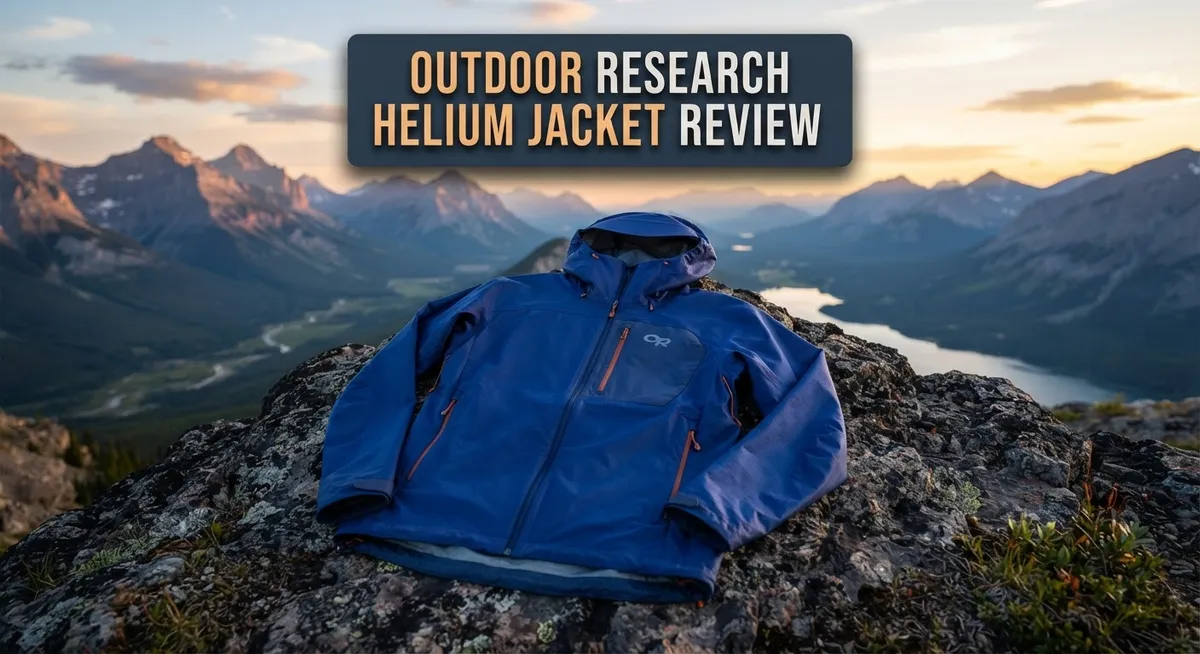
Outdoor Research Helium Jacket Review: Ultralight Packable?
Rain sneaks up fast on every hike. You need a jacket that keeps up with you.
The Outdoor Research Helium Jacket promises big protection in a tiny package. It weighs just 6.5 oz and folds into your pocket with ease.
But does it truly perform when storms roll in? This review digs into its real world performance.
We tested the Toray Dermizax fabric, the seam taping, and the fit. We also checked how it stacks up against rivals like the Patagonia Houdini and OR Versalite.
You will learn where this jacket shines and where it falls short. From breathability to durability, we cover it all.
If you want a clear, honest look at this ultralight shell, keep reading. Your next adventure deserves the right gear.
In a Nutshell
Here is the quick rundown of what you need to know about this jacket.
-
Feather light build: This jacket weighs just 6.5 oz. It folds into its own pocket for easy storage on any trip.
-
Smart fabric tech: The Toray Dermizax layer blocks wind well. It handles light drizzle but struggles in heavy downpours.
-
Tougher than before: OR boosted tear resistance by 5x and abrasion resistance by 2x compared to the older model. This shell holds up better on rough trails.
-
Fit and feel: The relaxed cut allows layering underneath. Some users notice a sticky texture against bare skin.
-
Best use case: Think of this as a windbreaker first, rain jacket second. It shines on breezy hikes more than storm-soaked treks.
-
Stacks up against rivals: The Patagonia Houdini offers similar packability. The OR Versalite beats it slightly on weight and breathability.
This jacket fits hikers who want a light shield against wind and light rain, not a full storm barrier.
Material and Fabric Quality
The Toray Dermizax 2.75L fabric sits at the core of what makes this jacket tick. This material combines nylon durability with a synthetic membrane that stops wind effectively. The 15D nylon base layer feels thin and light in your hands, which explains the jacket’s feather weight status.
Outdoor Research uses fully seam-taped construction throughout the jacket. Every seam gets sealed to prevent water from sneaking through the stitching. This detail matters because even the best fabric fails if water finds its way at the seams.
The fabric itself presents an interesting trade-off. It excels at blocking wind but struggles with moisture management. Users report a sticky feel against bare skin, especially during active movement. This happens because the membrane doesn’t breathe well during hard effort. You will notice dampness building up inside on longer hikes or steep climbs.
The upgrade from the previous model shows real improvement in durability. The new version resists tears 5 times better and handles abrasion 2 times better than before. This means the fabric can handle brush contact and rough pack surfaces without ripping easily. The nylon weave feels more substantial than ultra-minimalist jackets.
Seam tape quality appears solid based on user reports. The taping looks even and complete across all stress points. However, the sticky fabric coating can trap moisture against the tape itself. This creates a damp microclimate rather than a dry one.
The custom 3-layer option offers 75,000 g/m²/24h moisture vapor transmission. This spec sounds impressive on paper but real-world testing shows it underperforms in sustained rain. The fabric wets through faster than competitors like the Versalite.
Think of this material as a windproof shell first. It handles light drizzle and occasional showers well. Heavy rain or all-day storms expose its limits. The sticky feel and poor breathability make it less comfortable for high-exertion activities in damp conditions.

- WEATHER READY: The Men's Helium UL Jacket is designed for ultralight compact performance, delivering waterproof and...
- ADVANCED STORM PROTECTION: Waterproof, windproof and highly abrasion-resistant, this lightweight rain jacket...
- FINE-TUNED FEATURES: Explore confidently with a brim-wired adjustable hood, elastic drawcord hem, reflective logos...
Last update on 2026-09-01 / Affiliate links / Images from Amazon Product Advertising API
Weight, Packability, and Design
The Helium Jacket packs down to the size of a water bottle, making it ideal for backpackers who count every ounce. At just 6.5 oz, this shell disappears into your pack without complaint.
The jacket’s streamlined design keeps bulk to a minimum. You get a back length of 29 inches, which works well for most body types without excess fabric flapping around. The elastic hem adjustment lets you dial in the fit around your waist.
Packability shines here. The compact silhouette means this jacket won’t eat up precious pack space. Hikers often stuff it into a stuff sack or even a large pocket. You can forget it’s there until rain threatens.
The fabric construction plays a key role in how small this jacket compresses. Toray Dermizax 2.75L uses 100% nylon 15D material, which is thin yet durable. The fully seam-taped design ensures water stays out at the seams, though the fabric itself has limits in heavy downpours.
Durability got a real boost compared to the older model. The new version offers 5x tear resistance and 2x abrasion resistance. This means the jacket can handle brush, branches, and rough handling better than before. The nylon won’t shred easily when you brush against sharp rocks or tree limbs.
The relaxed fit accommodates base layers underneath without restricting movement. You can layer a fleece or long sleeve shirt without feeling squeezed. This flexibility makes the Helium work across different seasons and conditions.
One design choice worth noting: the sticky fabric feel on skin. Some users find the material uncomfortable against bare arms. A thin shirt underneath solves this issue, though it defeats some packability benefits.
The custom 3-layer option provides 75,000 g/m²/24h moisture vapor transmission. This spec means the jacket breathes better than basic 2-layer shells, though breathability remains a weak point overall.
Bottom line: This jacket prioritizes weight and packability above all else. It excels for ultralight hikers who accept trade-offs in weather protection. If you need a true storm shelter, look elsewhere.
Waterproofing and Weather Protection
The Helium Jacket’s waterproofing comes with a significant caveat. Outdoor Research fully seam-tapes the construction, which means water cannot sneak through needle holes. However, the fabric itself has a weak point in heavy rain scenarios.
The Toray Dermizax 2.75L material stops wind effectively. Rain is a different story. Users report that sustained downpours soak through the jacket fairly quickly. This happens because the fabric prioritizes weight reduction over waterproof durability. Think of this as a windbreaker that happens to shed light rain, not a true storm shield.
Weather protection works best in specific conditions. Light drizzle? The Helium handles it well. Gusty winds? Excellent defense. Moderate to heavy rain lasting hours? You’ll feel moisture creeping in. The jacket excels during shoulder seasons when weather stays unpredictable but not severe.
The custom 3-layer option offers 75,000 g/m²/24h moisture vapor transmission. This number tells you how much body moisture the fabric allows to escape. Higher numbers mean better breathability. This spec matters because it reveals the trade-off Outdoor Research made. They sacrificed breathability to achieve ultralight performance. Your sweat stays trapped inside during active movement.
The sticky fabric feel compounds this issue. The material clings to skin and base layers, creating an uncomfortable sensation during wear. This stickiness also affects how the jacket moves with your body during hiking or climbing.
Seam tape quality appears solid based on field reports. The taping holds up well, and water doesn’t leak through the seams themselves. The weakness lies in the base fabric, not the construction method.
For weather protection, the Helium Jacket occupies a narrow use case. Grab it for windy days with light precipitation. Skip it for extended rain trips where you need genuine waterproof performance. The Versalite from Outdoor Research offers better breathability if rain protection matters more to you. The Helium prioritizes packability and weight over comprehensive weather defense. Know this difference before deciding if it fits your outdoor adventures.
Top 3 Alternatives
Arc’teryx Atom LT

- Performance Insulation for All Conditions - This men’s light jacket features resilient Coreloft Compact...
- Casual Versatility for Every Adventure - Designed as a standalone or midlayer, this men’s insulated jacket with...
- PFAS Compliant Weather-Ready Protection - Our Atom Hoody offers moisture resistance via the FC0 DWR finish that’s...
Last update on 2026-09-01 / Affiliate links / Images from Amazon Product Advertising API
The Arc’teryx Atom LT delivers lightweight insulation without the bulk. This jacket uses synthetic insulation that works well in wet conditions. The fabric breathes easily, making it perfect for active outdoor use. You get excellent mobility thanks to the streamlined design. The jacket packs down small, so it fits in your backpack without taking up much space.
Patagonia Nano Puff

- Full Zip
- Nano Puff
- 100% Polyester
Last update on 2026-09-01 / Affiliate links / Images from Amazon Product Advertising API
Patagonia’s Nano Puff offers reliable warmth with a soft, comfortable feel. The synthetic insulation resists moisture and dries quickly if it gets wet. The fabric has a smooth exterior that sheds light rain and wind. This jacket moves with your body during physical activity. Many users appreciate how it feels against the skin and how easy it is to care for.
The North Face ThermoBall

- SLIP-IN COMFORT: Whether you're at base camp or just stepping out for the paper, the Men's ThermoBall Traction Mule...
- WATER-RESISTANT DURABILITY: With a durable ripstop upper made from 100% recycled polyester finished with a non-PFC...
- SUPERIOR INSULATION: Made with 100% recycled polyester ThermoBall Eco insulation, these shoes keep feet warm even...

Last update on 2026-09-01 / Affiliate links / Images from Amazon Product Advertising API
The North Face ThermoBall uses innovative synthetic insulation that mimics down’s warmth without the moisture problems. The jacket features quilted sections that trap heat effectively. It packs into its own stuff sack for easy transport. The ThermoBall works well as a standalone layer or under a shell jacket. The design keeps you warm even when damp, making it a solid choice for unpredictable weather.
Each of these jackets offers different benefits. The Arc’teryx focuses on active performance. Patagonia emphasizes comfort and durability. The North Face prioritizes packability and versatility. Your choice depends on how you plan to use the jacket and what conditions you’ll face most often.
Fit, Comfort, and Wearability
The relaxed fit of the Helium Jacket makes it work well over base layers and mid-layers without squeezing your torso. You get freedom to move without the jacket binding up during climbs or long hikes. The 29 inch back length sits right for most body types, hitting just below the hip.
Comfort on skin feels like a trade-off here. The fabric has a sticky, slightly plastic-like feel when it touches bare skin or thin layers. Some users find this annoying during active movement. Others don’t mind it much. If you prefer soft, natural fabric textures, this jacket might feel off at first.
The elastic hem adjustment lets you cinch the jacket down to seal out wind and keep warm air in. This feature works especially well when you layer it over a puffy jacket. The streamlined cut means the Helium doesn’t add bulk around your midsection, so layering stays comfortable even with multiple pieces on.
Arm mobility stays unhindered thanks to the simple, minimal design. You won’t feel restricted when reaching overhead or swinging a trekking pole. The jacket moves with your body rather than against it.
One thing to know: the sticky fabric can feel clammy during intense activity. Sweat doesn’t evaporate fast, so moisture builds up between your skin and the jacket. This makes it less ideal for high exertion in warm conditions. The poor breathability becomes noticeable when you’re working hard.
The improved durability compared to the older model means this jacket should handle repeated use without falling apart. The 5x tear resistance and 2x abrasion resistance give you confidence during rough conditions or sharp branches.
Sizing runs true to standard outdoor jacket cuts. Most people find their normal size works fine. If you run small, you might size up slightly to get more layering room underneath. The compact design means even a size up doesn’t add much weight or bulk.
Durability and Long-Term Build Quality
The Helium Jacket’s durability story hinges on one key fact: this is a 5x tear-resistant and 2x abrasion-resistant upgrade from the previous generation. Outdoor Research made real improvements here. The 15D nylon fabric construction gives you a jacket that bounces back from rough handling better than before.
However, durability comes with an important asterisk. The thin 2.75L material feels delicate in your hands. You won’t mistake this for a rugged alpine shell. The sticky fabric texture means it can snag or catch on sharp objects more easily than thicker jackets. Branches, rough pack edges, and rocky terrain all pose minor risks.
Long-term build quality depends heavily on how you use this jacket. For ultralight backpacking trips where the jacket lives in your pack most of the time, it should last many seasons. The seam-taped construction holds up well based on user reports. Stitching appears solid throughout.
The real durability question emerges with active use. If you wear this jacket constantly during a multi-week expedition, the thin nylon shows wear faster than heavier alternatives. Abrasion spots can develop on shoulders and sleeves where pack straps rub. The fabric doesn’t self-heal from repeated friction like some premium materials do.
The elastic hem adjustment system proves durable through normal use. No complex mechanisms mean fewer failure points. The streamlined design keeps stress concentrated on fewer seams, which actually helps long-term integrity.
Think of this jacket as a precision tool rather than a workhorse. It excels when treated with care and deployed strategically. Toss it in a duffel bag repeatedly, and you’ll notice wear sooner than expected. Store it properly between trips, and it maintains its functionality for years.
The improved tear and abrasion resistance matters most for backpackers who pack carefully and use the jacket as intended: a lightweight windbreaker for variable conditions. For that specific purpose, the build quality holds up admirably. For general-purpose heavy-use scenarios, more robust jackets exist.
Pros and Cons
Pros
- Weighs just 6.5 oz and packs down to pocket size for easy travel
- Windproof performance stops gusts effectively thanks to Toray Dermizax fabric
- 5x tear resistant and 2x more abrasion resistant than the previous version
- Relaxed fit works well over base layers without restricting arm mobility
- Fully seam taped construction keeps seams from leaking
Cons
- Breathability is poor, so moisture builds up quickly during active movement
- Waterproofing fails in sustained rain and soaks through faster than true rain jackets
- Sticky fabric feel on skin feels clammy and uncomfortable during intense activity
- Better suited as a windbreaker than an all-weather rain jacket for serious conditions
Who Should Buy It
The Outdoor Research Helium Jacket works best for specific outdoor pursuits. This jacket suits ultralight backpackers who prioritize weight savings above all else. You get a 6.5 oz shell that vanishes into your pack, which matters when every ounce counts on a multi-day trek.
Thru-hikers and fast-and-light adventurers should seriously consider this option. The compact streamlined design means you carry less bulk without sacrificing wind protection. If you hike in dry or semi-dry conditions, the Helium performs reliably as a windbreaker layer.
This jacket works well for climbers and mountaineers who need minimal weight at altitude. The fully seam-taped construction keeps wind out when you’re exposed on ridges. The relaxed fit lets you layer underneath without restriction, which matters when you’re wearing multiple base layers in cold terrain.
Trail runners and fast-moving athletes should think carefully before buying. The poor breathability means moisture builds up quickly during intense activity. You’ll feel the sticky fabric clinging to your skin, which creates discomfort on hard efforts. The Helium functions better as a cool-down layer after your run, not during it.
Casual weekend hikers in wet climates should look elsewhere. This jacket wets through quickly in sustained rain and fails as a true all-weather rain shell. You need a genuine waterproof jacket if you expect heavy downpours or all-day precipitation.
Backyard campers and car-camping enthusiasts won’t appreciate what this jacket offers. The ultralight design targets people who need to carry their shelter. If you’re not hiking far from your vehicle, the weight savings mean nothing to you.
The Helium also suits minimalist travelers who pack one versatile layer. The compact size fits easily into a daypack or luggage. You get reliable wind protection without taking up precious space.
Think of yourself as the ideal buyer if you: hike in dry regions, prioritize weight reduction, treat gear with care, and understand the Helium’s limitations. This jacket excels as a strategic layer in your system, not as your only rain protection. You need realistic expectations about what this shell can and cannot do.
Final Verdict
The Outdoor Research Helium Jacket earns its place as a smart pick for anyone who values low weight above all else. It shines when you need a reliable shield against wind and light drizzle.
This jacket does not try to be everything. It focuses on one job and does that job well.
If you compare it to the Patagonia Houdini, the Helium offers stronger tear resistance and a sturdier feel. The Houdini stays popular for its simplicity, but the Helium wins on durability specs alone.
The OR Versalite sits close in weight at 5.8 oz and offers better breathability. If sweat management matters more to you than raw wind protection, the Versalite deserves a serious look.
Your final choice depends on your priorities. Ask yourself what matters most on the trail.
Do you want the lightest possible layer, or do you want balanced performance across conditions? That question shapes which jacket fits your pack.
For most ultralight hikers, this jacket earns a spot in the gear closet. It performs a clear role and performs it with confidence.
Buyers who skip humid climates and heavy rain will get the most value from this design. Those conditions push the fabric past its comfort zone quickly.
Think of the Helium as a specialist tool built for specific trail conditions. It rewards users who match their expectations to its actual strengths.
People who need an all season rain shell should look elsewhere. This jacket simply was not built for that job.
For everyone else chasing minimal pack weight, the Helium delivers real results. It stays true to its promise of extreme portability without unnecessary bulk.
In short, this jacket rewards smart packing decisions and realistic expectations. Choose it for the right trip, and it will not let you down.
Frequently Asked Questions
Is the Helium Jacket truly waterproof?
Not quite. The jacket uses Toray Dermizax 2.75L fabric with fully seam-taped construction, which sounds impressive on paper. However, sustained rain soaks through faster than you’d expect from a true rain shell. Think of it as water-resistant rather than waterproof. It handles light drizzle and wind spray well, but heavy downpours expose its limits. The fabric itself is thin and prioritizes weight over protection.
How does the Helium compare to the Patagonia Houdini?
Both jackets weigh roughly the same and pack small. The Helium edges ahead with 5x better tear resistance and 2x better abrasion resistance than its previous version. The Houdini offers a more refined feel and better breathability. If you climb or scramble over rough terrain, the Helium’s durability wins. If you want comfort during active movement, the Houdini feels less sticky against skin.
Will this jacket work for humid climates?
No. The poor breathability means moisture builds up quickly during active use, especially in humid air. Your sweat gets trapped inside rather than escaping. You’ll feel clammy and uncomfortable during intense activity. This jacket performs best in dry regions where you don’t sweat much. Save it for alpine climbs or desert hiking, not tropical or subtropical adventures.
Should I buy this if I’m a casual weekend hiker?
Probably not, unless you hike in dry areas. Casual hikers benefit more from jackets with balanced breathability and waterproofing. The Helium sacrifices comfort for weight savings. That trade-off only makes sense if you obsess over ounces or climb at altitude where every gram matters.

I’m Danica, the voice behind StyleSense! As a passionate explorer of all things fashion, beauty, and wellness, I’m dedicated to helping you navigate the overwhelming world of style and self-care products. With years of experience testing and reviewing everything from trendy fashion pieces to innovative beauty solutions and health supplements, I bring you honest, detailed insights that you can trust.