
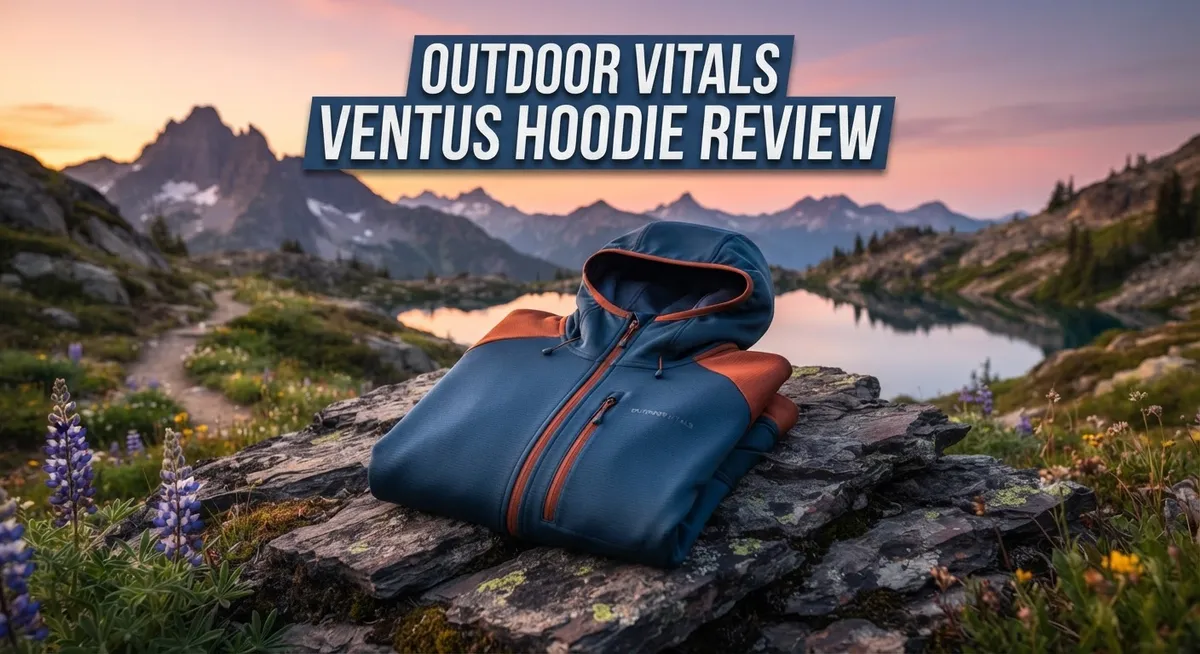
Outdoor Vitals Ventus Hoodie Review: Ultralight Insulated Jacket
Looking for a jacket that feels weightless but keeps you warm? The Outdoor Vitals Ventus Hoodie might be your answer.
This hoodie weighs just 7 oz. Yet it packs serious warmth into that tiny frame.
Built with 20D Ripstop Nylon, it resists tears and shrugs off light rain. The DWR treatment adds extra weather protection too.
Active stretch insulation means you can move freely. Hike, climb, or run without feeling bulky.
We tested this hoodie in real conditions. This review breaks down what works and what doesn’t.
You will learn about its fit, warmth, and breathability. We also compare it to other insulated hoodies on the market.
Is the Ventus Hoodie right for your next adventure? Let’s find out together.
In a Nutshell
Here is a quick summary of what makes the Ventus Hoodie stand out.
-
Ultralight design: This hoodie is nearly half the weight of similar insulated jackets. You get warmth without extra bulk.
-
Smart insulation: The 25 g/m² 3DeFX+® stretch fill keeps you warm. It also lets your skin breathe during high output activities.
-
Athletic fit: The slim cut hugs your body closely. This works great for layering under a shell, but it limits room for bulky base layers.
-
Hood fit: The hood fits nicely on its own. Just know it will not stretch over a climbing or ski helmet.
-
Pit vents: Perforated underarm panels boost airflow fast. This helps dump heat quickly, though it may reduce protection in wet or windy weather.
-
Packability: This jacket compresses down to about the size of a softball. It slides easily into any daypack or travel bag.
Overall, the Ventus Hoodie shines for fast paced, aerobic adventures where weight and breathability matter most.
Material and Fabric Quality
The fabric construction of the Ventus Hoodie focuses on lightweight performance without sacrificing durability. The shell uses 20D Ripstop Nylon, a material known for resisting tears and punctures during active use. This tight weave pattern creates small diamonds that distribute stress across the fabric, preventing rips from spreading.
The ripstop nylon receives a DWR (Durable Water Repellent) treatment. This coating causes water to bead up and roll off rather than soak in. You stay dry during light rain and morning dew. The treatment does fade over time with washing, but reapplication is simple.
Inside the hoodie sits 25 g/m² 3DeFX+ active stretch insulation. This synthetic fill provides warmth without the bulk of traditional down. The material moves with your body instead of restricting motion. You get freedom of movement during climbing, trail running, or hiking uphill.
The perforated underarm panels deserve special attention. These pit vents feature small holes that allow air to escape during intense activity. Your body releases heat when you need it most. This design choice keeps you from overheating on aerobic adventures. However, these perforations do reduce weather protection in those zones.
The fabric blend creates an interesting trade off. Breathability ranks high because of the stretch insulation and pit vents. Moisture vapor escapes quickly, preventing that clammy feeling. Yet the ripstop nylon and DWR treatment still shed water effectively. You get both breathability and weather resistance in one layer.
The overall construction feels thin but substantial. The nylon doesn’t crinkle excessively or feel plasticky. Instead, it has a soft hand feel that improves with use. Seams are sealed to prevent water penetration at stress points.
This material combination explains why the Ventus Hoodie weighs only 7 ounces. Outdoor Vitals chose lightweight fabrics strategically. You get durability and weather protection without carrying unnecessary weight. The fabric quality supports the hoodie’s reputation as a packable, ultralight layer for active outdoor pursuits.

- Comfortable: Outdoor Ventures puffer jacket with hood features high-tech insulation to insulate cold air and retain...
- Humanized Design: Outdoor Ventures warm winter jacket with hood includes 2 outside zippered pockets and 2 inner...
- Warm Lightweight Winter Jacket: Outdoor Ventures full zip insulated jacket is versatile as a 3-season jacket in...
Last update on 2026-09-16 / Affiliate links / Images from Amazon Product Advertising API
Fit and Sizing
The Ventus Hoodie uses an athletic cut that sits close to your body. This slim fit works great if you prefer minimal bulk. Your movements stay unrestricted because the fabric stretches with you.
The tight design does have a trade off. You cannot layer heavy base layers underneath without feeling squeezed. Lightweight merino or synthetic base layers work better with this hoodie.
Sizing runs true to size for most people. If you prefer a relaxed fit, consider sizing up one size. Women’s sizes run particularly snug through the shoulders and chest.
The hood itself deserves attention. It fits well on your head without bunching. The opening sits at a good depth so it does not slip back during movement. However, the hood will not fit over a climbing helmet or bike helmet. You need to wear it alone or remove it when you put on protective gear.
Arm length tends to hit right at your wrist. Sleeve openings are standard width. The pit vents sit perfectly positioned for airflow. These perforated panels extend from your underarm to your rib cage.
Torso fit stays snug through your core. The hem sits at your natural waist without riding up. This prevents cold air from entering at your lower back during active movement.
The shoulder seams align well for most body types. You will not experience excess fabric bunching here. The overall silhouette maintains a streamlined profile.
Mobility matters for this hoodie. You can raise your arms overhead without restriction. Reaching forward feels natural because the fabric stretches. The active stretch insulation moves with your body instead of against it.
Fit considerations matter before you buy. This hoodie suits people who value lightweight performance over layering flexibility. Trail runners and climbers often prefer this snug approach. Casual hikers might find it too restrictive for multiple base layers.
The Ventus Hoodie prioritizes movement and minimal weight over a loose, comfortable fit. Your body type and activity level determine whether this athletic cut works for you. Measure your chest and compare it to the size chart. This step prevents fit disappointment after purchase.
Warmth-to-Weight Performance
The Ventus Hoodie delivers exceptional warmth without bulk. At just 7 ounces, this hoodie weighs roughly half of what you’d carry in a traditional insulated jacket. That weight savings matters when you’re moving fast or covering long distances.
The 25 g/m² 3DeFX+ active stretch insulation does the heavy lifting here. This material traps heat efficiently while staying incredibly thin. The ripstop nylon shell adds durability without adding ounces. You get protection that lasts through multiple seasons of use.
The real magic happens when you layer this hoodie. Wearing it solo keeps you warm during moderate activity. Add a windproof shell on top, and you have a complete insulation system that weighs almost nothing. This flexibility makes the Ventus ideal for changing conditions throughout your day.
The perforated underarm panels create an interesting trade off. These vents dump excess heat when you’re working hard. They also mean this hoodie breathes better than heavier alternatives. The downside is reduced weather protection in heavy rain or snow, though the DWR treatment helps shed light moisture.
Warmth retention stays strong despite the minimal weight. The stretch insulation moves with your body. It compresses less than traditional fills, so it maintains loft even when compressed in your pack. This means consistent warmth on day two or day three of your trip.
The athletic fit influences how warm you feel. The snug cut reduces dead air space, which helps trap body heat more efficiently. Looser jackets waste energy warming empty fabric. Here, the insulation sits closer to your skin, making every gram count.
For high output activities like trail running or fast hiking, this hoodie excels. You stay warm without overheating. The breathability prevents that clammy feeling you get in heavier insulated layers. If you prioritize moving fast while staying warm, the warmth to weight ratio here is hard to beat. You simply won’t find this combination in comparable jackets.
Top 3 Alternatives
Arc’teryx Atom Hoodie

- Performance Insulation for All Conditions - This men’s light jacket features resilient Coreloft Compact...
- Casual Versatility for Every Adventure - Designed as a standalone or midlayer, this men’s insulated jacket with...
- PFAS Compliant Weather-Ready Protection - Our Atom Hoody offers moisture resistance via the FC0 DWR finish that’s...
Last update on 2026-09-01 / Affiliate links / Images from Amazon Product Advertising API
The Arc’teryx Atom Hoodie stands out for its synthetic insulation technology. This jacket uses Coreloft insulation, which traps warm air effectively even when wet. The fabric feels lightweight on your shoulders, making it perfect for active outdoor adventures.
Arc’teryx focuses on durability with reinforced seams and high-quality materials. The hood adjusts smoothly, and the pockets sit in convenient spots. Many users appreciate how this hoodie compresses into a small pack size.
Patagonia Nano Puff Hoodie

- [More Comfortable] Outdoor Ventures women's puffer jacket with hood features high-tech insulation to insulate cold...
- [Humanized Design] Outdoor Ventures women's hooded puffer jacket includes 2 outside zipper pockets and 1 zipper...
- [Packable Design] This jacket easily folds into its own left side pocket, transforming into a compact zippered bag...
Last update on 2026-09-01 / Affiliate links / Images from Amazon Product Advertising API
Patagonia’s Nano Puff uses recycled polyester insulation that performs well in damp conditions. The fabric breathes nicely during intense activities, preventing sweat buildup. This hoodie moves with your body instead of restricting movement.
The design includes a helmet-compatible hood and secure zippered pockets. Patagonia builds these jackets to last for years with proper care. The material resists matting, so your jacket stays fluffy through many washes.
The North Face ThermoBall Hoodie

- ALL-WEATHER INSULATED WARMTH: The Men's Thermoball Hooded Jacket offers lightweight synthetic insulation with...
- WIND & WATER RESISTANT: Made with wind-resistant WindWall fabric and 100% recycled polyester body and lining, this...
- NEW STANDARD FIT: Featuring a regular fit with an adjustable hood, cinch cords with cord locks, and concealed...

Last update on 2026-09-01 / Affiliate links / Images from Amazon Product Advertising API
The North Face ThermoBall Hoodie combines down and synthetic insulation for balanced warmth. This hybrid approach gives you the best of both worlds. The jacket packs down small, making it ideal for backpacking trips.
The hood fits comfortably over helmets, and the elastic cuffs seal in warmth. The fabric has a smooth exterior that resists snagging on branches. Many outdoor enthusiasts choose this model for its reliable performance across different seasons.
Packability and Portability
When you’re heading out for a quick adventure, carrying less matters. The Ventus Hoodie proves that ultralight gear doesn’t mean sacrificing performance. At just 7 ounces, this jacket weighs about half what comparable insulated hoodies tip the scales at.
The real magic happens when you pack it away. This hoodie compresses down to roughly the size of a softball. You can stuff it into a backpack pocket, a climbing pack, or even a jacket cargo pocket without much fuss. For trail runners and fast hikers who want emergency insulation, that’s a game changer.
The ripstop nylon shell plays a huge role in this portability advantage. Ripstop fabrics resist tearing while staying incredibly thin and light. The material doesn’t add bulk, so your pack stays lean. You get durability without the weight penalty that thicker jackets impose.
The athletic fit also contributes to packability. Since the hoodie hugs your body rather than draping loosely, it takes up minimal space when folded or stuffed. A baggy jacket would compress less efficiently. The snug design means you’re not packing excess fabric.
Consider where you’ll store this piece. Climbers appreciate how easily it fits in a pack’s side pocket. Trail runners like keeping it in their hydration pack. Backcountry skiers can stash it without noticing the added weight. The softball sized bundle makes it practical for almost any sport or adventure.
The 3DeFX+ active stretch insulation stays thin even when compressed. Unlike bulkier synthetic insulations that rebound slowly, this material bounces back quickly once you pull it out. You won’t deal with a wrinkled, lumpy jacket after packing.
One consideration: the tight athletic fit means you can’t layer much underneath. If you plan to wear thick base layers, the compression might feel restrictive. But for minimal layering systems, portability becomes a genuine strength. This hoodie rewards ultralight approaches to gear selection.
Breathability and Ventilation
The Ventus Hoodie breathes exceptionally well for an insulated layer. Most people expect thick insulation to trap moisture and feel clammy. This hoodie breaks that pattern.
The pit vents are your secret weapon here. These perforated underarm panels let sweat escape when you’re moving hard. Your core stays warm while moisture moves out. This design choice means you won’t overheat during active pursuits like trail running or climbing.
The 20D ripstop nylon shell adds another layer of breathing capability. This material is thin enough to let air pass through, yet strong enough to protect the insulation underneath. The DWR treatment keeps light rain out without blocking vapor. Your body heat and moisture can still find their way through.
Active stretch insulation performs differently than traditional puffy materials. The 3DeFX+ moves with your body instead of compressing dead air into stiff pockets. This flexibility means air can circulate around the fibers. You get better moisture management without sacrificing warmth.
The athletic fit contributes to breathability too. A close fit means less fabric flapping around. Air moves more efficiently across your skin. Loose layers trap pockets of warm, humid air. This hoodie’s snug design prevents that problem.
One trade off exists though. The tight athletic cut limits your layering options underneath. You can’t wear thick base layers without feeling restricted. This matters if you’re in extremely cold conditions where multiple layers become necessary.
The hood design also supports airflow. It sits close to your head without creating a sealed pocket. You can adjust ventilation by moving the drawcords. This lets you control how much air reaches your neck and face.
For moderate activity in cool weather, this hoodie breathes remarkably well. You won’t feel trapped or sweaty. The combination of pit vents, breathable shell, and stretch insulation creates a system that actually works. This makes the Ventus Hoodie stand out from heavier insulated options that often feel stuffy once you start moving.
Pros and Cons
Pros
- Weighs just 7 oz, cutting the bulk of similar insulated hoodies in half
- Delivers serious warmth from the 25 g/m² 3DeFX+ active stretch insulation without feeling heavy
- Ripstop nylon shell resists tears and abrasion during rough outdoor use
- Compresses down to softball size for easy packing on adventures
- Breathes exceptionally well thanks to pit vents and stretch fabric that moves with your body
Cons
- Athletic fit sits tight against your skin, making it hard to layer warm base layers underneath
- Hood doesn’t fit over climbing helmets or most winter hats
- Perforated underarm panels sacrifice some weather protection for breathability, which limits use in heavy rain or snow
Who Should Buy It
The Ventus Hoodie works best for active outdoor enthusiasts who move fast and light. You’re the right fit if you run trails, hike quickly, or climb mountains where every ounce counts.
This hoodie suits you if you value packability above all else. Backpackers love it because it compresses to softball size. You can stuff it into a pack pocket and forget it’s there until you need warmth.
Fast movers benefit most from this piece. Trail runners, alpinists, and scramble hikers appreciate the minimal weight without sacrificing insulation. If you sprint uphill and don’t want sweat pooling inside your jacket, the pit vents keep you dry.
You should consider this hoodie if you layer strategically. The tight athletic fit means you can’t wear thick base layers underneath. Thin merino wool or synthetic base layers work better than bulky alternatives.
Skip this if you need a standalone jacket for casual wear. The athletic fit sits snug against your skin, which some people find restrictive. You won’t want to wear it over multiple sweaters or puffy jackets.
Winter mountaineers might want to look elsewhere. The perforated underarm panels breathe beautifully but offer less protection in heavy snow or rain. If you spend hours in harsh weather, a more weather-resistant option makes sense.
Climbers with helmets should reconsider. The hood doesn’t fit over climbing helmets or most winter beanies. The design works well for bare head use or thin skull caps only.
Cold weather campers who move slowly should explore other options. The Ventus shines during high output activities. If you sit around camp at night, you’ll want a warmer, less breathable layer that traps more heat.
You’re the ideal customer if you own multiple jackets and want one specifically for active pursuits. This hoodie fills a gap between base layers and heavier insulation. It’s not your only jacket. It’s your go to piece for moving fast in cool conditions.
Final Verdict
The Outdoor Vitals Ventus Hoodie earns its spot as a smart pick for active outdoor lovers. It blends light weight with real warmth in a way few jackets manage.
Outdoor Vitals built this piece for people who move. If you hike fast, climb rock, or trail run in cool weather, this jacket fits your lifestyle well.
When you compare it to jackets like the Mountain Hardwear Ghost Whisperer 2, the Ventus Hoodie holds its own. It offers similar warmth benefits while keeping a strong focus on airflow and stretch.
The ripstop shell gives you confidence in rough terrain. You won’t worry about small snags or scrapes ruining your gear on a tough trail.
This jacket rewards people who already own a layering system. Pair it with a warm base layer or a shell for wet weather, and you get a flexible setup for changing conditions.
Think about your typical adventure before you decide. If you move steadily and need one jacket to handle everything, this might not be your best match.
But if you already layer smart and want a dedicated piece for high output days, the Ventus Hoodie delivers real value in performance.
The build quality feels solid. The stitching holds up, the zippers work smoothly, and the fabric feels tough despite its light weight.
Outdoor Vitals clearly designed this jacket with a clear purpose in mind. It doesn’t try to be everything. It focuses on doing one job well.
That job is keeping you warm without weighing you down during fast paced outdoor activity.
If that matches your needs, this hoodie deserves a spot in your gear closet. It packs small, breathes well, and performs when you push your pace.
For the right user, the Ventus Hoodie stands out as a strong, focused piece of outdoor gear worth adding to your kit.
Frequently Asked Questions
Does the Ventus Hoodie work for winter camping?
The Ventus Hoodie shines during active pursuits but struggles for slow paced winter camping. Its perforated underarm panels breathe well during movement but offer less weather protection in heavy snow or rain. If you sit still for hours, the pit vents become a drawback rather than a feature.
This hoodie pairs best with strategic layering underneath. You’ll want a warm base layer and possibly a shell jacket on top for stationary cold weather use. Solo winter camping without extra layers won’t cut it.
Can I wear this hoodie over a climbing helmet?
No. The hood sits snug and doesn’t stretch over most climbing helmets or winter beanies. The athletic fit keeps the hood close to your head by design.
If helmet compatibility matters for your adventures, this isn’t your piece. Look for hoodies with roomier hoods instead.
How much can the Ventus Hoodie compress?
It packs down to roughly softball size. The ultralight 3DeFX+ insulation compresses easily without losing loft when you release it.
This makes it perfect for fast movers who stuff gear into small backpacks. You get serious warmth without the bulk.
Is the athletic fit too tight for layering?
Yes, the close to skin fit limits what you can wear underneath. Thick wool base layers won’t work well. Thin synthetic or merino layers fit better.
If you already own slim base layers, you’re good. If you prefer bulky layering, this hoodie’s tight fit becomes frustrating.
What makes the Ventus Hoodie different from other lightweight hoodies?
The ripstop nylon shell resists tears better than standard fabrics. The 3DeFX+ insulation delivers excellent warmth without weight. The pit vents let you dump heat fast during hard efforts.
Most comparable hoodies weigh more or compress larger. The Ventus Hoodie strips away everything unnecessary for active outdoor use.

I’m Danica, the voice behind StyleSense! As a passionate explorer of all things fashion, beauty, and wellness, I’m dedicated to helping you navigate the overwhelming world of style and self-care products. With years of experience testing and reviewing everything from trendy fashion pieces to innovative beauty solutions and health supplements, I bring you honest, detailed insights that you can trust.