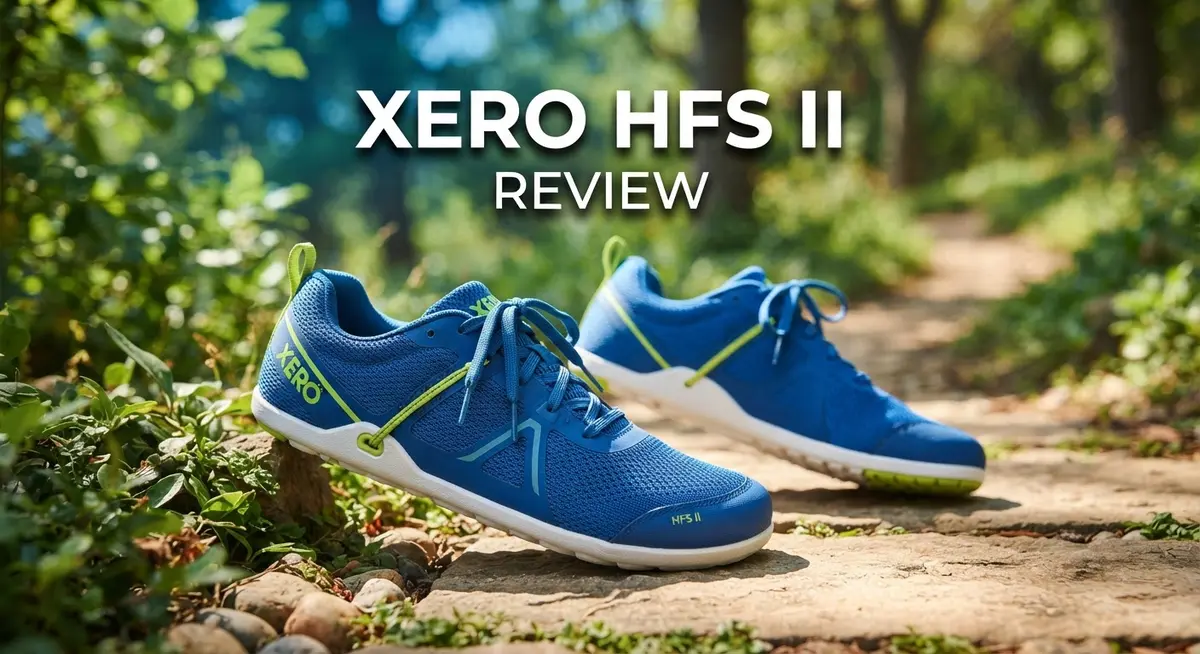
Xero HFS II Review: Is It Worth Your Money in 2026?
Looking for a shoe that feels natural on your feet? The Xero HFS II might catch your eye.
This shoe blends barefoot freedom with a bit more comfort. It builds on the original HFS design, adding better cushioning for longer runs.
Runners who love minimal shoes will notice the zero drop heel and flexible sole. The wide toe box lets your feet spread out and move freely.
Xero improved the fit too. A mixed lacing system keeps your foot secure during runs, gym sessions, or daily walks.
Is it as minimal as its predecessor? Not quite. But it offers a smart balance between ground feel and everyday comfort.
This review breaks down what works, what does not, and who should try the HFS II. Let us look at the details together.
In a Nutshell
-
Featherlight build: At 8.3oz for men and 6.7oz for women, this shoe barely adds weight to your stride.
-
Low to the ground: A 9mm stack height keeps your foot close to the surface without feeling too exposed.
-
Multi terrain ready: You can take it on roads, light trails, or even the gym floor with ease.
-
Smart lacing setup: The mix of eyelets and lace loops locks your foot in place for a snug, secure fit.
-
Room for your toes: A wide, foot shaped toe box lets your toes spread naturally, just like true barefoot shoes.
-
A small trade off: You get more comfort, but you lose a bit of the raw ground feel that the original HFS offered.
-
Solid overall score: Barefoot Run Review rates it a 7 out of 10, calling it a strong pick for daily miles.
This shoe works well if you want barefoot style with a touch more cushion. It fits runners who log higher mileage but still want that natural, flexible feel underfoot.
Weight and Minimalist Design
The Xero HFS II carries forward the barefoot philosophy while making smart changes to the design. Let’s explore what makes this shoe stand out in the minimalist running space.
Weight that barely registers
At just 8.3 ounces for men and 6.7 ounces for women, the HFS II stays incredibly light. You won’t feel like you’re wearing much of anything. This matters because every ounce counts when you’re logging miles. The shoe gets out of your way and lets your feet do the work.
A low profile with purpose
The 9mm stack height puts your foot close to the ground. You still get some cushioning, but not so much that you lose connection with the surface below. This zero drop heel keeps your body in a natural alignment. Your heel and forefoot sit at the same level, which many barefoot runners prefer.
The minimalist trade off
Here’s the honest part: the HFS II is less minimal than the original HFS I. Xero added more cushioning to handle higher mileage and varied terrain. You get better shock absorption, especially on pavement. The flip side? You lose some of that raw ground feel that purists loved. The shoe sits between true minimalism and everyday comfort.
Design that works for your foot
The wide, foot shaped toe box lets your toes spread and move naturally. Your foot doesn’t get squeezed into an unnatural shape. The mixed lacing system combines traditional eyelets with lace loops. This combination locks your foot down without restricting blood flow. You get a secure fit that feels responsive.
Who should care about this design
If you run on roads and light trails, this shoe adapts well. Gym sessions, casual walking, and daily wear all work too. The HFS II suits runners who want barefoot benefits but need more cushioning than the original. You’re not sacrificing minimal principles. You’re just making them practical for real world use.

- Natural Movement Design: Barefoot + minimalist principles with a wide toe box for natural splay, zero-drop for...
- Lightweight Performance: Performance road running shoe
- Supportive Fit: Breathable mesh upper with moisture-wicking lining
Last update on 2026-09-01 / Affiliate links / Images from Amazon Product Advertising API
Cushioning and Stack Height
The cushioning on the HFS II strikes a balance between protection and ground connection. Xero added more padding to the midsole compared to the original HFS I, which means your feet get better shock absorption during longer runs. This upgrade matters if you log higher mileage or run on harder surfaces like concrete.
The 9mm stack height keeps you low enough to feel the ground beneath you. This height is genuinely minimal without feeling skeletal. Your foot stays close to the earth, but the EVA cushioning absorbs impact so you do not feel every pebble or crack. It’s a sweet spot for runners who want feedback without punishment.
The two part EVA outsole plays a key role here. The design spreads cushioning strategically rather than packing it everywhere. This approach lets the shoe flex naturally while protecting vulnerable areas like your heel and forefoot. You get responsiveness without sacrificing comfort on pavement or packed trails.
One real difference from the HFS I: the added cushioning does reduce ground feel slightly. Barefoot purists might notice this trade off. If you loved the raw, connected sensation of the original, the HFS II feels a touch more insulated. However, most runners find this acceptable because the shoe handles more terrain and longer distances better.
The stack height also influences how the shoe feels underfoot during transitions. At 9mm, you experience smooth roll through from heel to toe. The zero drop design pairs perfectly with this height, keeping your posture aligned without forcing your calf muscles to work harder. This matters especially if you run frequently or mix up your training.
For daily training runs and gym sessions, this cushioning setup performs well. You get enough protection for consistent mileage without feeling clunky or heavy. The shoe does not coddle your foot, but it does not leave it exposed either. This balanced approach explains why the HFS II works for runners stepping up from minimalist shoes or those who want something lighter than traditional trainers.
Fit, Lacing System, and Toe Box
The HFS II wraps your foot in a way that feels natural and responsive. The wide, foot-shaped toe box gives your toes room to splay and move without restriction. This matters because cramped toes can throw off your running form and cause discomfort over longer distances.
The mixed lacing system combines traditional eyelets with lace loops. You get the best of both worlds here. The eyelets sit higher on the shoe for a secure hold around your midfoot, while the lace loops near the toe box let you fine-tune pressure exactly where you need it. This two-part approach means you can lock down your heel firmly without strangling your forefoot.
Tightening the laces feels intuitive and straightforward. The system adapts to different foot shapes without forcing your foot into an unnatural position. You won’t need to readjust mid-run, which keeps your focus on the trail or road ahead.
The toe box itself sits wider than the original HFS I, though it’s still narrower than the Xero Prio. If you have a naturally wide foot, the HFS II accommodates you better than many barefoot competitors. Your toes get genuine space to function, not just squeeze room.
One thing to note: the wider toe box works with the 9mm stack height to create a stable platform. Your foot sits lower to the ground, which helps with balance on uneven surfaces. The toe box design also supports the shoe’s versatility across roads, light trails, and gym floors.
The lacing system holds up well during dynamic movements. Whether you’re accelerating, changing direction, or pushing hard on a climb, the mixed lace setup keeps everything in place. The eyelets prevent the shoe from slipping side to side, while the loops maintain even pressure distribution.
This combination of fit, lacing, and toe box design makes the HFS II feel like an extension of your foot rather than something separate. The shoe responds to how you move, not the other way around.
Top 3 Alternatives
Merrell Barefoot Running

- Extra wide toe box gives wiggle room to growing toes
- Outsole with rounded edges to follow the natural shape of a child’s foot
- Flexible grooves on the outsole for a barefoot feel

Last update on 2026-09-01 / Affiliate links / Images from Amazon Product Advertising API
Merrell Barefoot Running shoes offer a minimalist approach to footwear. These shoes feature a thin sole that lets your foot feel the ground beneath you. The design promotes natural movement and strengthens your foot muscles over time.
The flexible construction allows your feet to bend and flex naturally. Many runners appreciate how these shoes feel lightweight and responsive. The breathable materials keep your feet cool during workouts. You get excellent ground feedback, which helps improve your running form.
Vibram FiveFingers Shoes
No products found.
Vibram FiveFingers Shoes take minimalism to the next level with their unique design. Each toe gets its own compartment, mimicking barefoot running while offering protection. This distinctive structure helps improve balance and foot strength significantly.
The shoes work well for various activities beyond running, including hiking and gym training. The grip pattern on the sole provides excellent traction on different surfaces. Many users report better proprioception and body awareness when wearing these shoes. The lightweight design makes them feel almost like a second skin.
Altra Zero Drop Shoes

- Go Further: Our original Altra EGO foam is designed to provide added energy return and a responsive, yet soft...
- To The MAX: Our Altra EGO MAX midsole foam gives you all the light and luxurious performance with a little extra...
- Get Comfortable: Signature Altra Balanced Cushioning and FootShape toe boxes allow your toes to spread and...
Last update on 2026-09-01 / Affiliate links / Images from Amazon Product Advertising API
Altra Zero Drop Shoes maintain a level platform from heel to toe. This design eliminates the heel-to-toe height difference found in traditional running shoes. The wide toe box gives your toes room to spread naturally and comfortably.
These shoes combine cushioning with the zero-drop concept for a balanced experience. The responsive midsole absorbs impact while maintaining ground contact. You get support without sacrificing the natural feel of minimalist footwear. The shoes suit both casual runners and serious athletes seeking a different approach.
Versatility Across Running Surfaces and Activities
The Xero HFS II proves itself across different running environments. This shoe handles roads, light trails, gym workouts, and everyday wear without fuss. You don’t need separate shoes for different activities when this one adapts so well.
Road running is where the HFS II shines most. The two-part EVA outsole provides enough grip on pavement without sacrificing the barefoot feel. The 9mm stack height keeps you connected to the surface while the cushioning absorbs impact from repetitive pounding. For daily training runs and tempo work, this setup performs reliably.
Light trails present another opportunity for the HFS II. The outsole grips unpaved surfaces adequately, though this shoe isn’t built for technical terrain or rocky paths. The foot-shaped toe box gives your toes room to adjust on uneven ground. The zero-drop heel maintains natural alignment whether you’re on dirt or asphalt.
Gym sessions and cross training activities work well too. The lightweight design means minimal fatigue during strength work. The flexible sole allows your foot to move naturally during lifts and bodyweight exercises. The secure fit from the mixed lacing system keeps your foot stable when you’re moving in multiple directions.
Everyday wear rounds out the versatility. Many runners appreciate shoes that transition from workout to casual use. The HFS II’s clean appearance and comfortable fit make it suitable for daily activities. You can wear these around town without feeling like you’re in specialized athletic gear.
The wide toe box plays a crucial role across all these activities. Natural toe splay helps your foot function properly whether you’re sprinting, hiking gentle slopes, or walking to the store. This design choice supports the shoe’s adaptability.
One limitation exists though. The HFS II isn’t designed for heavy trail running or technical mountain work. If you need serious off-road capability, you’ll want a different shoe. The reduced ground feel compared to the original HFS I means some minimal runners might find it less exciting for road work.
The HFS II succeeds because it balances protection with ground connection across multiple surfaces and uses.
Ground Feel and Barefoot Experience
The Xero HFS II delivers a genuine barefoot experience that stays true to the brand’s minimalist philosophy. Your foot connects with the ground through a thin 9mm stack, which keeps you low and aware of your running surface. This height sits in the sweet spot between protection and ground awareness.
The two-part EVA outsole is where the magic happens. It flexes naturally as you move, allowing your foot muscles to engage with each step. You feel the terrain beneath you without sacrificing the support needed for longer runs. The zero-drop heel ensures your foot stays level, promoting a more natural running gait from heel to toe.
Compared to the original HFS I, the HFS II adds cushioning that slightly reduces ground feel. This trade-off works in your favor if you log higher mileage or prefer a touch more comfort. Runners who crave maximum ground connection might notice the difference, but most find the balance worthwhile.
The lightweight construction matters here too. At 8.3oz for men and 6.7oz for women, the shoe feels almost like a second skin. Your foot doesn’t carry extra weight, which means you stay connected to your movements rather than fighting against the shoe itself.
The wide, foot-shaped toe box contributes significantly to the barefoot sensation. Your toes spread naturally instead of being squeezed or confined. This design choice lets your foot’s intrinsic muscles work properly, which is essential for true barefoot running benefits.
Transitions feel smooth and responsive underfoot. Whether you’re landing on your midfoot or forefoot, the shoe adapts without fighting your natural stride. The flexibility of the sole means no jarring or stiff spots that interrupt your connection to the ground.
The HFS II excels for runners who want genuine ground feel without abandoning all cushioning. If you’re transitioning from conventional shoes, this barefoot experience feels accessible and safe. You get enough feedback to learn proper running form while maintaining protection for daily training runs and varied activities.
Pros and Cons
Pros
- Lightweight at 8.3oz (men) and 6.7oz (women) makes running feel effortless and reduces leg fatigue
- Improved cushioning over the original HFS I provides comfort without sacrificing the barefoot feel
- Works well across roads, light trails, gym sessions, and everyday activities
- Mixed lacing system with eyelets and lace loops keeps your foot secure during dynamic movements
- Wide, foot-shaped toe box lets your toes spread naturally and feel connected to the ground
Cons
- Ground feel is reduced compared to the HFS I due to added cushioning
- Narrower than the Xero Prio, which may feel tight for runners with wider feet
- Not suitable for heavy trail running or technical mountain terrain
- Less minimal overall than its predecessor, so purists seeking maximum ground contact may feel disappointed
Who Should Buy It
The Xero HFS II works best for runners seeking a barefoot experience with practical cushioning. If you want genuine ground feel but also need some comfort for longer distances, this shoe fits perfectly.
You should buy the HFS II if you run on roads and light trails regularly. The two-part EVA outsole handles pavement well while staying flexible enough for softer terrain. Your feet stay protected without losing that connected sensation to the ground.
Gym enthusiasts and cross-training athletes find real value here too. The lightweight design at 8.3oz (men) and 6.7oz (women) means less fatigue during strength sessions and dynamic workouts. The wide toe box gives your feet freedom to move naturally during lateral exercises and weight shifts.
Everyday wear seekers appreciate the versatility. You can transition from your morning run straight into casual activities without changing shoes. The mixed lacing system keeps your foot secure whether you’re sprinting or walking.
The HFS II suits runners who felt the original HFS I was too minimal. If the first version felt too connected to the ground or lacked comfort on longer runs, the improved cushioning here addresses those concerns. You get better shock absorption while maintaining that barefoot philosophy.
However, skip this shoe if you need maximum ground feel. The added cushioning compared to the HFS I does reduce that direct connection to the earth. Heavy trail runners and technical mountain enthusiasts should look elsewhere because the HFS II isn’t built for aggressive terrain or rocky paths.
Runners with very wide feet might find the HFS II narrower than expected, especially compared to the Xero Prio. If your feet are naturally wide, try on both models first.
The HFS II also works well for runners transitioning from traditional cushioned shoes. The balance of support and minimalism helps your feet adapt gradually without overwhelming them. You get enough feedback to strengthen your foot muscles while staying comfortable enough for consistent training.
Final Verdict
The Xero HFS II earns a solid 7 out of 10 rating from barefoot running experts. This score reflects a shoe that balances two different worlds well. It brings barefoot principles into a package that feels practical for daily use.
This shoe shines brightest for a specific type of runner. If you value foot freedom but still want some protection, the HFS II delivers. It rewards runners who want their feet to work naturally without feeling exposed.
Think about your running goals before deciding. Someone chasing pure minimalism might miss the rawness of the original HFS. But someone building mileage safely will likely appreciate the extra cushioning here.
The competition matters too. Compared to Vivobarefoot models, the HFS II offers a different fit philosophy. Compared to Nike or New Balance barefoot attempts, Xero has more experience refining this specific niche.
Who benefits most from this shoe? Runners moving away from bulky traditional trainers will find this a smart bridge. It teaches proper form while still offering some comfort.
Cross training athletes and gym goers also gain from its stability. The shoe holds its shape during lateral movements and quick direction changes.
This isn’t the shoe for everyone though. Ultra minimalists chasing zero cushioning should look elsewhere. Runners with wider feet may want to test the fit carefully first.
For most everyday runners and fitness enthusiasts, the Xero HFS II hits a sweet spot. It offers barefoot benefits without extreme sacrifice. That balance is rare and valuable in this shoe category.
Overall, this shoe earns its place among solid barefoot options. It won’t satisfy purists seeking total ground connection. But it will satisfy runners who want natural movement with sensible support built in.
Consider your priorities carefully. If versatility and comfort matter more than raw ground feel, the HFS II deserves serious consideration for your next pair of running shoes.
Frequently Asked Questions
How does the Xero HFS II compare to the original HFS I?
The HFS II adds more cushioning through its improved EVA outsole. This means less ground feel but more comfort on longer runs. The original HFS I felt rawer and more minimal. If you loved the barefoot connection of the HFS I, you might notice the difference. The HFS II works better for runners who want some padding without losing the barefoot vibe.
Is the Xero HFS II good for trail running?
Yes, but only for light trails. The shoe handles rocky paths and dirt surfaces reasonably well. The two part EVA outsole grips decently on uneven ground. However, this isn’t a technical trail shoe. Stick to gentle terrain and mixed surfaces. For serious mountain running, you’ll want something with more aggressive tread.
Who should NOT buy the Xero HFS II?
Skip this shoe if you need maximum ground feel. Ultra minimalists chasing pure barefoot sensation should look at the original HFS I instead. Runners with very wide feet might find it snug compared to the Xero Prio. People needing heavy cushioning for road marathons should explore other options too.
Can I wear the Xero HFS II for everyday activities?
Absolutely. The versatility is a real strength here. The mixed lacing system keeps your foot locked in during casual walks. The wide toe box feels natural for daily wear. Many people wear these for gym sessions, light errands, and casual outings. The lightweight design at 8.3oz (men) and 6.7oz (women) means your feet stay fresh all day.
Does the mixed lacing system actually work?
Yes, it does. The combination of eyelets and lace loops creates a secure fit. Your foot stays put during dynamic movements without feeling restrictive. The system adapts well to different foot shapes and activity levels.

I’m Danica, the voice behind StyleSense! As a passionate explorer of all things fashion, beauty, and wellness, I’m dedicated to helping you navigate the overwhelming world of style and self-care products. With years of experience testing and reviewing everything from trendy fashion pieces to innovative beauty solutions and health supplements, I bring you honest, detailed insights that you can trust.