Xero Shoes X1 Low Review: Barefoot Basketball Shoe Analysis
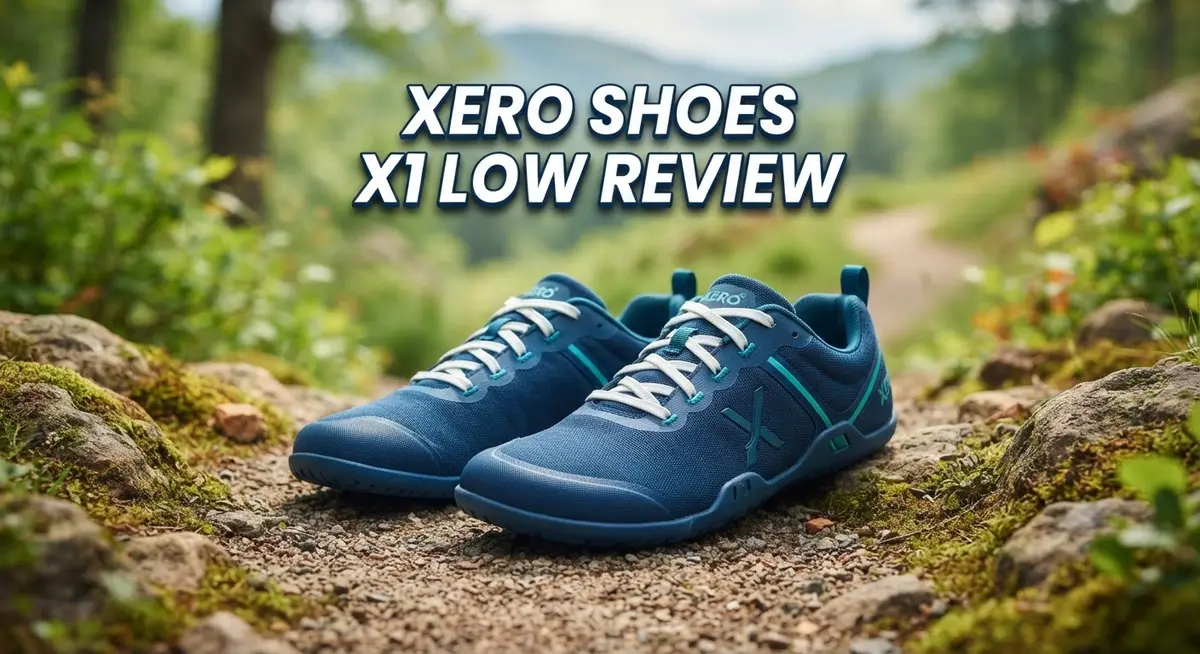
Do you want a basketball shoe that lets your feet move naturally? The Xero Shoes X1 Low might catch your eye. This shoe brings zero drop design to the court.
It has a wide toe box. Your toes can spread out and grip the floor. This helps with balance during quick moves.
The stack height sits at just 12.5 mm. That means you stay close to the ground. Players who love ground feel will notice this right away.
This review covers everything you need to know. We look at the fit, the feel, and how it performs during real games. We also check the lacing system and material quality.
Is this shoe right for your game? Let’s break down the pros and cons together. You will find out if this barefoot style shoe fits your playing needs.
In a Nutshell
Here’s a quick summary of what this shoe brings to the court:
-
Lightweight build: At just 11.8 oz, the X1 Low feels light on your feet. You won’t notice extra bulk during quick sprints or jumps.
-
Zero drop design: This shoe keeps your heel and forefoot level. Your foot sits flat, just like walking barefoot.
-
Smart lacing system: The laces lock your foot in place. You get a secure fit without feeling squeezed.
-
Solid ground feel: You can sense the court beneath you. This helps with balance and stability during fast movements.
-
Needs a break in period: The midfoot and heel feel stiff at first. Give it time; the forefoot flex improves as you play more.
-
Grip could be better: Some players notice sliding during quick cuts. This might affect players who need aggressive lateral movement.
If you want a similar wide toe box shoe, Hobibear offers another option worth checking out.
Build and Materials
The X1 Low uses a blend of materials that work together to keep your foot secure and responsive. The upper combines synthetic overlays with a breathable mesh layer. This mix lets air flow through while providing the structure you need during lateral movements.
The sole is where Xero really shows its minimalist philosophy. A thin rubber outsole sits directly under your foot with almost no cushioning between you and the court. This creates that direct ground connection that barefoot shoe fans love. You feel every dribble and pivot.
The midsole is exceptionally thin at 12.5 mm. Most basketball shoes sit between 15 and 20 mm, so this is genuinely different. The low stack height means your ankle sits closer to the ground, which some players find more stable for cutting and lateral work.
One standout feature is the lacing system. Xero designed it to lock your midfoot firmly without cutting off circulation. The laces thread through reinforced eyelets that won’t rip or fray. This keeps your foot anchored even when you’re moving fast.
The heel counter provides moderate support. It’s not rigid like traditional basketball shoes, but it’s firm enough to prevent excessive heel slipping. The material here is durable synthetic that resists creasing.
Durability appears solid based on the construction. The stitching is clean and tight throughout. The toe box uses reinforced fabric that handles court contact well. However, the thin outsole may wear faster than thicker alternatives if you play frequently.
The forefoot area flexes more than the heel and midfoot. This is intentional. Xero wants your toes and ball of your foot to move naturally. Initially, this feels stiff, but the shoe loosens up with use. The materials soften slightly as they break in.
Overall, the build prioritizes function over cushioning. You get a lightweight, responsive shoe that keeps you connected to the court. The materials are quality, but they demand an adjustment period. Your feet need time to adapt to the minimal cushioning and low stack height.

- Fly Down the Court: Heavy shoes are a drag on your feet… and your game. At just 11.8 oz per size 9 men's shoe...
- Unlock Your Personal Best: Years in the making, and designed with players and trainers, the X1 is rooted in...
- Court-Ready Control: The X1 Low keeps you low to the ground for enhanced court feel, stability, and...
Last update on 2026-09-21 / Affiliate links / Images from Amazon Product Advertising API
Fit, Comfort, and Sizing
The fit of the X1 Low centers on its wide toe box design. Your toes get plenty of room to splay naturally, which matters if you have a broader forefoot or prefer minimal foot compression during play.
Sizing runs true to standard shoe sizes. Most players find that their usual size works without adjustment. If you sit between sizes, the generous toe box gives you flexibility to size up slightly without losing court control.
The heel counter keeps your foot from sliding excessively, though the initial fit feels snug through the midfoot. This tightness improves after a break-in period of several games or practice sessions. The lacing system locks down securely once you dial in the tension, preventing heel lift during lateral cuts.
Comfort improves noticeably after the first week of use. The stiff midfoot and heel gradually soften as materials conform to your foot shape. Many players report that the forefoot flex becomes noticeably smoother once broken in. The thin 12.5 mm stack height means you feel the court directly, which some find immediately comfortable and others need time to adapt to.
The shoe works best for players who value ground connection over plush cushioning. If you prefer thick padding underfoot, this minimalist approach may feel uncomfortable initially. However, if you enjoy feeling the court and want your foot to move naturally, the X1 Low delivers exactly that.
Weight plays a role in comfort too. At just 11.8 oz, the shoe feels light and responsive. This lightness reduces foot fatigue during extended play, especially compared to heavier basketball shoes.
Arch support comes from the shoe’s overall structure rather than a built-in arch support insert. Players with high arches may notice this during the first few wears. The support improves as the materials break in and mold to your foot’s unique shape.
Expect a short adjustment period. Your feet need time to adapt to the minimal stack height and ground feel. After that transition, most players find the X1 Low remarkably comfortable for court performance.
Performance and Ground Feel
When you step onto the court in the X1 Low, your feet connect directly to the playing surface. The extremely thin 12.5 mm stack creates a sensation that minimalist shoe lovers crave. You feel every movement of the court beneath you.
This ground feel comes from the shoe’s design philosophy. Xero strips away excessive cushioning so your proprioception stays sharp. Your feet understand the floor better. This helps with balance and court awareness during play.
The sole construction plays a big role here. The minimalist midsole sits close to the ground without feeling unstable. Stability actually improves because your foot sits lower and more centered. You don’t wobble side to side as much.
Initial stiffness affects your ground feel during the first few days. The midfoot and heel resist bending at first. This changes quickly though. After one week of regular wear, the forefoot flexes noticeably more. Your connection to the court becomes smoother and more natural.
Weight matters for ground feel too. At just 11.8 oz, the shoe doesn’t interfere with your foot’s natural movement. Light shoes let you sense the court faster. Your brain processes floor feedback without lag.
One area that needs attention is grip. The sole slides more than some basketball shoes during aggressive cuts. This affects your ground feel negatively because you lose traction. Quick directional changes feel less stable. You might slip slightly on certain court surfaces.
The wide toe box adds to ground feel in an unexpected way. Your toes spread naturally without compression. Spreading toes improve balance and proprioception. This is especially helpful during lateral movements.
The heel counter provides moderate support without excessive padding. Your heel stays anchored without floating. This keeps your ground connection consistent throughout the shoe.
Overall, the X1 Low delivers excellent ground feel for minimalist enthusiasts. You get direct court contact and sharp proprioception. The trade off is reduced grip and initial stiffness. If you prioritize feeling the floor over maximum traction, this shoe excels. Your feet adapt quickly, and the ground feel becomes a real advantage after the adjustment period ends.
Top 3 Alternatives
Vibram FiveFingers KSO
No products found.
The Vibram FiveFingers KSO offers extreme minimalism with individual toe pockets. Your feet get direct ground contact, which builds strength and balance quickly. The shoe feels like a second skin rather than traditional footwear.
This option works well for indoor training, gym work, and short outdoor runs. The thin sole provides excellent proprioception. You’ll feel every surface beneath you. Many users love the unique sensation and the way it engages small foot muscles.
Merrell Barefoot Trail

- Breathable mesh and TPU upper
- Burrito tongue wraps the foot to enhance a natural fit
- External rear sling locks in the heel
Last update on 2026-09-21 / Affiliate links / Images from Amazon Product Advertising API
Merrell Barefoot Trail delivers a balanced approach to minimal footwear. It provides more protection than extreme minimalist shoes while keeping weight low. The design suits both beginners and experienced barefoot runners.
This shoe handles rocky terrain and uneven surfaces better than many alternatives. The sole offers enough cushioning for longer distances without sacrificing ground feel. It’s a smart choice if you want minimalism without going extreme. Trail runners appreciate the grip and ankle support.
New Balance Minimus

- FuelCell midsole foam with approximately 3% bio-based content delivers a propulsive feel to help drive you forward...
- Midfoot rubber wraps add increased protection, grip, and durability for rope climbs
- Herringbone rubber outsole design in forefoot and heel provide traction and durability

Last update on 2026-09-21 / Affiliate links / Images from Amazon Product Advertising API
New Balance Minimus brings recognizable brand quality to the minimalist category. The shoe maintains enough structure for everyday wear and casual running. It appeals to people who want to transition gradually into minimal footwear.
The Minimus line includes various models for different activities. You get moderate cushioning combined with a low heel-to-toe drop. This makes it accessible for runners stepping down from traditional shoes. The fit tends to be roomy, which many users prefer. It works for gym sessions, daily commutes, and light trail work.
Each option serves different needs. Consider your activity level, terrain preference, and how quickly you want to transition to minimal footwear when choosing between them.
Break-In Period and Flexibility
The X1 Low starts out stiff, especially through the midfoot and heel area. This initial rigidity is normal for minimalist shoes. Your feet need a few days to adjust to the shoe’s firm structure.
The break-in period typically lasts about one week. Most users report noticeable comfort improvements after the first few wears. Your midfoot begins to feel less restrictive once the materials loosen slightly.
The forefoot flexes more readily than the heel from day one. This uneven flex pattern changes as you wear the shoe. The heel gradually becomes more responsive with each court session.
Flexibility improves significantly after the first week of use. The shoe never becomes super soft, but it stops feeling rigid. This is intentional. Xero designed the X1 Low to maintain its structural integrity while still adapting to your foot.
The materials don’t break down quickly. They soften at a measured pace. This means your investment continues performing well over many months of play.
Your toes get plenty of room in the wide toe box from the start. This spacious design helps reduce foot fatigue during the break-in phase. You won’t feel cramped while your midfoot adjusts.
The heel counter keeps your foot anchored without pinching. It feels snug initially but becomes more comfortable as the materials settle. This counter doesn’t require a long adjustment period like the midfoot does.
Ground feel actually improves during the break-in phase. As the shoe conforms to your foot, your connection to the court sharpens. You’ll notice better court awareness after just a few games.
The lacing system helps manage the stiffness during break-in. You can adjust tension to reduce pressure points. Looser lacing in the midfoot helps during those first few days.
Many minimalist shoe users expect stiffness at first. The X1 Low follows this pattern but rewards patience. Your feet adapt faster than you might think.
By week two, most players stop thinking about the break-in period. The shoe becomes an extension of your foot rather than something you’re adjusting to. This transition marks the beginning of genuine ground connection and court performance.
Durability and Longevity
The Xero Shoes X1 Low holds up well over time. The materials resist breakdown, even with regular court use. You won’t see the upper fabric deteriorating quickly, and the sole maintains its integrity through many sessions.
The sole construction proves particularly durable. The rubber compound on the bottom doesn’t wear down at an accelerated rate. Players report that the shoe performs consistently after months of use. The stitching remains tight and secure, showing no signs of coming apart.
One strength lies in how the shoe ages. The materials actually improve during the break-in phase. As you wear the X1 Low, the forefoot becomes more flexible without losing structural support. The midfoot and heel gradually soften, making the shoe more responsive over time rather than less.
The wide toe box design contributes to longevity in an unexpected way. Your toes move freely inside, which reduces pressure points that cause premature wear. This spacious design means you won’t crush the upper material or create stress spots that fail early.
The heel counter deserves mention here. It keeps your foot anchored without excessive padding, which means there’s less material to compress and deteriorate. The counter maintains its shape through extended use, providing consistent ankle support month after month.
The lacing system stands out for durability too. The eyelets are reinforced, and the laces themselves handle repeated tightening without fraying or breaking. You won’t need to replace laces frequently like you might with other shoes.
One consideration: the low stack height means the sole experiences direct contact with the court. This exposes the shoe to more wear, but the rubber compound handles it well. The thin profile doesn’t compromise longevity because the material quality compensates.
Overall, the X1 Low delivers solid durability. The shoe won’t fall apart after a few months of play. The materials support extended use, and the design actually benefits from regular wear. If you treat the shoe with basic care, it will serve you reliably through many basketball sessions.
Pros and Cons
Pros
- Spacious, foot shaped toe box lets your toes spread naturally and comfortably
- Excellent lacing system keeps your foot locked in without pressure points
- Outstanding ground feel connects you directly to the court surface
- Durable materials and solid sole construction hold up well through regular play
- Breaks in smoothly within one week, with forefoot flex improving noticeably
Cons
- Stiff midfoot and heel during the first few days require an adjustment period
- Poor grip on court surfaces causes sliding during quick movements and cuts
- Limited flexibility overall, though it does improve after consistent wear
Who Should Buy It
The Xero Shoes X1 Low works best for specific types of players and preferences. Minimalist athletes love this shoe. If you want maximum ground feel and direct court contact, this model delivers exactly that. You sense every movement on the floor.
Barefoot basketball enthusiasts should seriously consider this option. The extremely low 12.5 mm stack height mimics natural foot movement. Your feet stay close to the court surface throughout play. This appeals to players who prefer less cushioning and more connection.
Players with wide feet find real value here. The spacious, foot-shaped toe box gives your toes room to spread naturally. You won’t feel cramped or squeezed during lateral movements. This design element matters significantly for comfort during extended games.
Serious court players who prioritize durability benefit from this shoe. The solid sole construction and durable materials hold up through regular use. The wide toe box actually contributes to longevity. Your foot has space to move without excessive pressure points wearing down materials quickly.
Athletes willing to invest in a break-in period should look here. The shoe starts stiff, especially in the midfoot and heel. After about one week, flexibility improves noticeably. If you can handle an adjustment phase, the forefoot flex becomes quite responsive.
This shoe is NOT ideal for players who need immediate grip. Court traction falls short during quick cuts and movements. You’ll experience some sliding, especially early on. Players relying on explosive lateral movements might find this frustrating.
Casual players seeking comfort off the court won’t need this model. The X1 Low targets serious basketball players, not recreational users. The minimalist design serves performance, not casual wear.
Players new to zero-drop shoes should approach carefully. The transition from traditional basketball shoes feels significant. Your feet, ankles, and calves adapt to the lower platform. Existing minimalist shoe wearers transition much more smoothly.
Consider this shoe if you value ground feel, durability, and a wide toe box above all else. Skip it if you prioritize immediate grip, plush cushioning, or quick break-in periods. The X1 Low serves a specific athlete well: someone committed to minimalist basketball performance.
Final Verdict
The Xero Shoes X1 Low earns its spot as a unique pick in barefoot basketball footwear. It brings true ground connection to the court. Your feet feel every movement clearly.
This shoe suits a specific type of player. If you value natural foot movement over quick lateral grip, this model fits your style well.
Patience pays off with this shoe. The break in period rewards players who stick with it. Your foot and the shoe learn to work together over time.
We think the wide toe box and secure lacing make daily wear comfortable. These features solve common problems many basketball shoes create for players with broader feet.
However, we can’t ignore the traction issue. Quick cuts and sudden stops remain a real concern on most court surfaces. This limits who should choose this shoe as their main option.
Think about your playing style first. Point guards and players who cut often may struggle here. Players who value stability and floor feel over rapid direction changes will likely enjoy this shoe more.
Team sport athletes who play multiple positions might find the tradeoffs harder to accept. The shoe asks you to slow down slightly in exchange for better ground awareness.
We recommend this shoe for barefoot training enthusiasts first. Casual pickup players who want light court gear come second. Serious competitive players who need instant traction should look elsewhere.
The X1 Low delivers on its core promise. It gives you real barefoot feel in a basketball specific package. Few shoes attempt this balance today.
If durability and natural movement matter most to you, this shoe deserves serious thought. Just plan for an adjustment period and accept the traction tradeoff.
Overall, this is a niche product built for a niche need. It does that job well when you know what you’re getting.
Frequently Asked Questions
Does the X1 Low work for outdoor courts?
The X1 Low performs best on indoor hardwood surfaces. Outdoor concrete and rough asphalt wear down the sole faster and reduce grip even more. If you play primarily outside, this shoe may not be your best choice.
How long does the break-in period actually take?
Most players notice real improvement within one week of regular wear. The midfoot and heel start feeling less stiff after 3 to 5 days. Forefoot flex gets noticeably better after consistent court time. Patience during those first few days pays off.
Can I wear these shoes casually off the court?
Yes, many owners wear them for daily activities. The wide toe box feels comfortable for regular walking and standing. The secure lacing keeps your foot stable throughout the day. Just know they’re designed first as a basketball shoe, not a lifestyle sneaker.
What foot type suits this shoe best?
Players with wide feet get the most value from the X1 Low. The spacious toe box lets your toes spread naturally. If you have narrow or average width feet, you might experience some extra movement inside the shoe. High arches and flat feet both adapt well to the zero drop design.
Is this shoe good for beginners or serious players only?
The X1 Low works best for barefoot basketball enthusiasts who understand what they’re getting into. Beginners should expect a real adjustment period. Serious court players who prioritize durability and natural movement will appreciate what this shoe offers. Casual players seeking immediate comfort and grip should explore other options first.

I’m Danica, the voice behind StyleSense! As a passionate explorer of all things fashion, beauty, and wellness, I’m dedicated to helping you navigate the overwhelming world of style and self-care products. With years of experience testing and reviewing everything from trendy fashion pieces to innovative beauty solutions and health supplements, I bring you honest, detailed insights that you can trust.