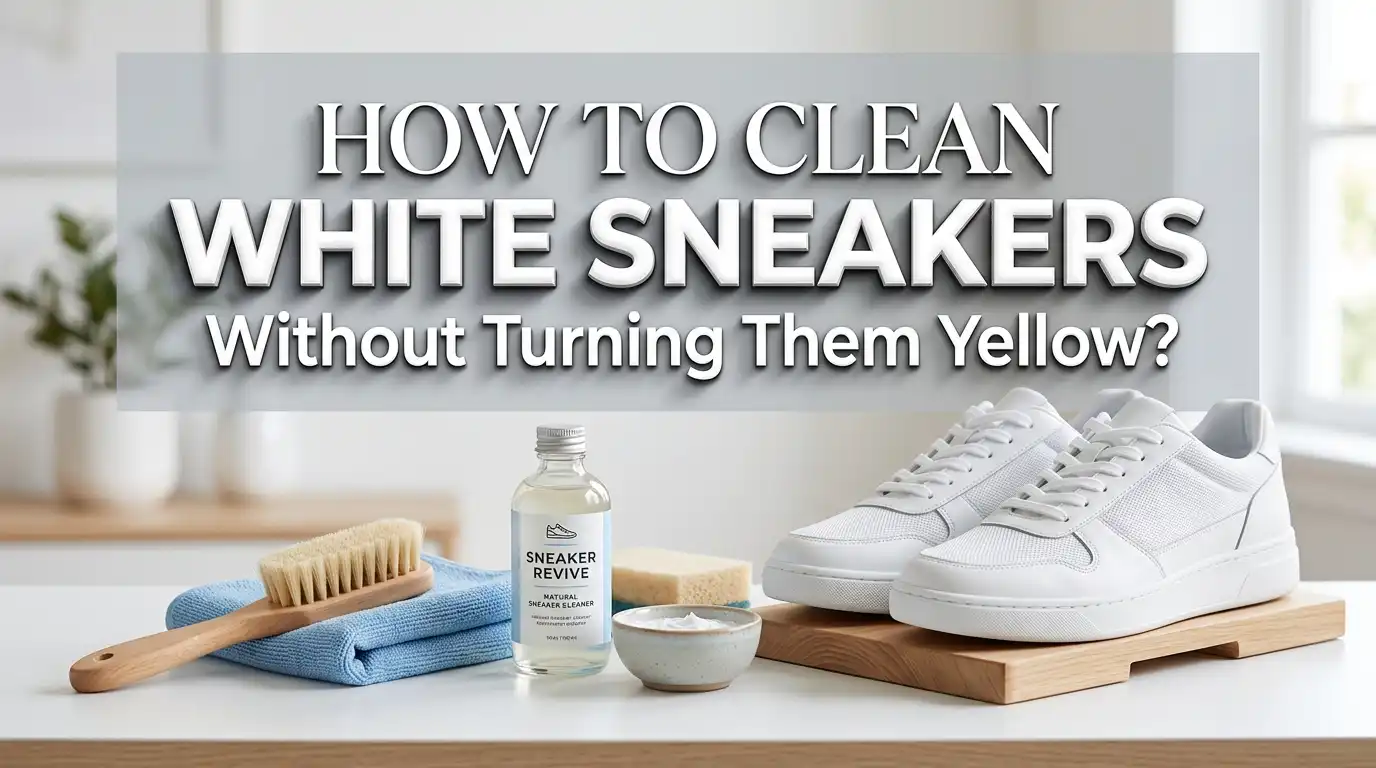
How to Clean White Sneakers Without Turning Them Yellow?
You just cleaned your favorite white sneakers. They looked great for about an hour. Then you noticed it: ugly yellow stains creeping across the fabric. Sound familiar? Yellowing after cleaning is one of the most frustrating problems white sneaker owners face.
The good news is that this problem is completely avoidable. The yellow tint is usually caused by leftover detergent residue, harsh chemicals like bleach, direct sunlight during drying, or trapped moisture that leads to oxidation. Most people make these mistakes without even knowing it.
This guide will walk you through every proven cleaning method that keeps your white sneakers bright and stain free. You will learn exactly why yellowing happens and how to stop it before it starts. Whether your sneakers are canvas, mesh, leather, or knit, these steps will help you get them sparkling white again. Let’s get right into it.
Key Takeaways
- Bleach is one of the biggest causes of yellowing on white sneakers. Avoid it entirely or dilute it heavily if you must use it. Safer alternatives like baking soda and hydrogen peroxide clean just as well without the yellow risk.
- Detergent residue left in the shoe fabric triggers yellow stains during drying. Always rinse your sneakers thoroughly with clean, cool water after every wash to remove all soap traces.
- Direct sunlight speeds up oxidation, which turns white materials yellow. Dry your sneakers indoors in a well ventilated area, away from windows and heat sources.
- The toilet paper wrapping trick works remarkably well. Wrapping your wet white sneakers in white toilet paper or tissue paper before drying absorbs residual dirt and chemicals that would otherwise settle on the surface as yellow stains.
- Baking soda combined with white vinegar or hydrogen peroxide is the most recommended and effective cleaning paste for white sneakers. It lifts dirt, brightens fabric, and does not cause discoloration.
- Prevention matters more than correction. Regular light cleaning after each wear, proper storage away from sunlight, and a quality shoe protector spray will keep your sneakers white much longer than deep cleaning alone.
Why Do White Sneakers Turn Yellow After Cleaning
Understanding the root cause of yellowing is the first step. Most yellow stains appear after washing, not before. This seems counterintuitive, but the cleaning process itself often creates the problem.
The primary culprit is chemical residue. Laundry detergent, bleach, and even some shoe cleaning solutions leave behind chemical traces in the fabric. These residues oxidize as the shoe dries, creating a yellow or brownish tint. The warmer and sunnier the drying environment, the faster this oxidation occurs.
Bleach deserves special attention here. Many people assume bleach is the best way to whiten shoes. In reality, bleach contains sodium hypochlorite, which reacts with shoe materials and causes permanent yellow discoloration. This is especially true for canvas and mesh fabrics.
Another common cause is improper rinsing. If you scrub your sneakers with soapy water and don’t rinse every bit of soap out, the leftover residue dries into yellow patches. Water quality also matters. Hard water with high mineral content can leave deposits that turn yellow over time.
Finally, sun exposure during drying accelerates oxidation. UV rays break down the chemical bonds in white fabric and adhesives, pulling yellow tones to the surface. Many sneaker care experts now recommend drying shoes indoors only.
The Baking Soda and White Vinegar Method
This is the most popular and widely recommended method for cleaning white sneakers safely. Baking soda is a gentle abrasive that lifts stains, while white vinegar cuts through grease and grime without leaving harmful residue.
To make the paste, mix one tablespoon of baking soda with two tablespoons of white vinegar and one cup of warm water. The mixture will fizz. That reaction is normal and helpful. Stir until you get a smooth, slightly thick consistency. Add a small squirt of dish soap for extra cleaning power if needed.
Dip an old toothbrush or soft bristled brush into the paste. Scrub the sneakers in small circular motions, focusing on stained or discolored areas. Work section by section so the paste does not dry before you can rinse it off. Pay extra attention to the toe box and rubber sole edges where dirt tends to build up.
After scrubbing, wipe the shoes with a clean, damp cloth to remove all paste residue. Then rinse the sneakers under cool running water. Make sure no soapy or gritty residue remains anywhere on the shoe.
Pros: Affordable, uses common household items, gentle on all shoe materials, very low yellowing risk.
Cons: Requires manual scrubbing effort, the paste can dry quickly so you need to work fast, may need multiple applications for deep stains.
The Baking Soda and Hydrogen Peroxide Method
This method is a step up from the vinegar approach and works especially well on stubborn yellowing that already exists. Hydrogen peroxide acts as a mild bleaching agent that whitens fabric without the harsh side effects of chlorine bleach.
Combine one tablespoon of baking soda, half a tablespoon of hydrogen peroxide (3% solution), and half a tablespoon of warm water. Mix until you get a thick, spreadable paste. The consistency should be similar to toothpaste.
Apply the paste evenly across the entire sneaker surface using a toothbrush or soft brush. Coat the shoes generously, including the soles and any rubber trim. Once the shoes are fully coated, place them in a sunny spot for three to four hours. The sun activates the hydrogen peroxide and enhances the whitening effect.
After the paste has dried and hardened, clap the shoes together or use a dry brush to knock off the dried residue. The dried paste will crack and flake off, taking stains with it. Wipe down with a damp cloth for a final clean.
Pros: Excellent for removing existing yellow stains, stronger whitening power than vinegar method, safe for canvas and mesh materials.
Cons: Hydrogen peroxide can weaken fabric with repeated use, requires a few hours of drying time, not recommended for colored accents on shoes as it may bleach them.
How to Use the Toilet Paper Wrapping Trick
This clever trick has gone viral for good reason. Wrapping freshly washed white sneakers in white toilet paper before drying prevents yellow stains from forming. The paper acts like a sponge that absorbs residual dirt, detergent, and chemicals as they rise to the surface during the drying process.
Here is how to do it. After washing and thoroughly rinsing your sneakers, take white toilet paper or white tissue paper and wrap each shoe completely. Cover the entire upper, tongue, and sole area. Use several layers so the paper stays in place and does not tear too easily.
Place the wrapped shoes in a well ventilated area indoors and let them dry naturally. As the shoes dry, you will notice the toilet paper turning yellow or brownish. That discoloration would have ended up on your shoes without the paper barrier. Once the shoes are fully dry, peel off the paper.
This method works best in combination with a proper cleaning method. It is not a cleaning technique by itself. Think of it as an insurance policy that catches whatever your rinse missed.
Pros: Extremely simple and cheap, highly effective at preventing post wash yellowing, works on all shoe types.
Cons: Uses a lot of toilet paper, paper can stick to wet shoes if they are too saturated, does not actually clean the shoes.
Cleaning White Leather Sneakers Safely
Leather sneakers require a different approach than canvas or mesh. Leather is more durable but also more sensitive to water saturation and harsh chemicals. Soaking leather shoes or using abrasive pastes can damage the material and cause cracking.
Start by removing loose dirt with a dry, soft cloth or brush. Then mix a small amount of mild dish soap with warm water to create a gentle sudsy solution. Dip a soft cloth into the solution, wring out the excess water, and wipe down the leather surface.
Do not soak or submerge leather sneakers in water. Excessive moisture warps leather and can cause water stains that are difficult to remove. Instead, use the damp cloth method and work in sections. For scuffs and marks on leather, a white eraser or melamine foam sponge works well.
After cleaning, wipe the shoes with a cloth dampened in plain water to remove any soap residue. Pat the shoes dry with a clean towel and let them air dry indoors, away from heat and sunlight. Once dry, apply a leather conditioner to keep the material soft and prevent cracking.
Pros: Leather responds well to gentle cleaning and looks great when maintained, less prone to deep staining than fabric.
Cons: Water damage risk if over saturated, requires leather conditioner after cleaning, scuffs can be stubborn on light leather.
Cleaning White Canvas Sneakers Step by Step
Canvas is one of the most common materials for white sneakers, and it is also one of the most prone to yellowing. The woven cotton fabric absorbs detergent, dirt, and moisture deeply, making thorough rinsing essential.
Remove the laces and insoles first. Wash laces separately by soaking them in a bowl of warm water with baking soda. Brush off loose dirt and debris from the canvas with a dry brush before applying any liquid cleaner.
Make a cleaning solution using one tablespoon of baking soda, two tablespoons of white vinegar, and a cup of warm water. Dip a brush into the solution and scrub the canvas in circular motions. Focus on one panel at a time and keep the brush damp, not dripping wet.
Rinse the shoes under cool running water until the water runs clear. This step is critical. Even a small amount of leftover cleaning solution can dry into yellow stains on canvas. Squeeze out excess water gently without twisting the fabric.
Wrap the shoes in white toilet paper and dry them indoors. Avoid using a dryer or placing them near a heater, as heat can shrink canvas and accelerate yellowing. Give them at least 24 hours to air dry completely.
Pros: Baking soda and vinegar clean canvas extremely well, the material brightens easily with proper care.
Cons: Canvas absorbs stains deeply and may need multiple washes, drying takes a long time, prone to yellowing if not rinsed properly.
Cleaning White Mesh and Knit Sneakers
Mesh and knit sneakers are lightweight and breathable, but their open weave structure traps dirt and absorbs liquids quickly. These materials are delicate and can stretch or tear if scrubbed too aggressively.
Use a gentle approach for mesh and knit. Mix a small amount of mild liquid dish soap with cool water. Dip a soft bristled brush or cloth into the solution and gently dab and blot the stained areas. Avoid aggressive scrubbing, which can distort the knit pattern.
For deeper stains, make a paste with baking soda and a small amount of water and apply it to the stained areas. Let it sit for 15 to 20 minutes before gently wiping it off with a damp cloth. Repeat if needed rather than scrubbing harder.
Rinse by wiping with a cloth soaked in clean water. Do not hold mesh sneakers under running water for too long, as the water can push dirt deeper into the inner layers. Blot out excess moisture with a towel and stuff the shoes with white paper towels to help them hold their shape while drying.
Pros: Gentle cleaning preserves the delicate knit structure, baking soda paste works well on mesh without damage.
Cons: Mesh stains can be hard to fully remove, knit material stretches when wet, drying must be done carefully to maintain shape.
Why You Should Avoid Bleach on White Sneakers
Bleach seems like the obvious choice for white shoes. But bleach is actually one of the most common reasons white sneakers turn yellow. The sodium hypochlorite in bleach reacts with the shoe’s adhesive, rubber components, and fabric fibers to create a chemical reaction that produces a yellow hue.
This reaction is especially problematic on canvas and synthetic materials. Even heavily diluted bleach can leave behind traces that oxidize and turn yellow over time. The damage is often permanent, making it extremely difficult to reverse bleach induced yellowing.
If you absolutely must use bleach, mix one part bleach with five parts water and apply it with a cloth rather than soaking the shoe. Limit contact time to just a few minutes and rinse immediately and thoroughly with cool water. However, safer alternatives exist and should always be your first choice.
Hydrogen peroxide (3% solution) is a much safer whitening agent that achieves similar results without the yellowing risk. Oxygen based cleaners are another good option. These products release oxygen bubbles that lift stains and brighten fabric without damaging the material.
Pros of bleach: Can remove very stubborn stains quickly, widely available.
Cons of bleach: High yellowing risk, can damage fabric, harsh on adhesives and rubber, difficult to rinse completely, can cause permanent discoloration.
How to Dry White Sneakers Without Causing Yellow Stains
The drying stage is where most yellowing actually happens. Even perfectly cleaned sneakers can develop yellow stains if dried incorrectly. Paying attention to this final step makes a huge difference.
Never dry white sneakers in direct sunlight. UV rays cause oxidation in both fabric and rubber, pulling yellow and brown tones to the surface. This is one of the most commonly repeated mistakes. While sunlight feels like a natural dryer, it actively damages white shoe materials.
Instead, place your sneakers in a shaded, well ventilated area indoors. A spot near a fan or open window (not in direct sun) is ideal. Position the shoes upside down or on their sides so air can circulate through the interior.
Stuff the shoes with clean white paper towels to absorb internal moisture and help maintain shape. Replace the paper towels every few hours as they become damp. Avoid using newspaper, as the ink can transfer and stain the interior.
Do not use a clothes dryer, hairdryer, or heater. High heat can warp shoe materials, melt adhesives, and cause shrinkage in canvas and knit fabrics. Room temperature air drying is always the safest option. Allow 24 to 48 hours for complete drying depending on the material.
How to Remove Yellow Stains That Already Exist
If your white sneakers already have yellow stains, do not give up on them. Several methods can reverse yellowing and bring your shoes closer to their original white.
The baking soda and hydrogen peroxide paste described earlier is one of the most effective options for existing yellow stains. Apply a thick coat, let it dry in the sun for three to four hours, and brush off the residue. You may need to repeat this process two or three times for heavy yellowing.
White toothpaste (non gel) also works well as a spot treatment. Apply a small amount of white toothpaste to the yellow area, scrub with a toothbrush, and let it sit for 10 minutes before rinsing. The mild abrasives in toothpaste gently lift surface discoloration.
Another option is laundry bluing, a liquid additive that counteracts yellow tones with a trace of blue pigment. Add a small amount to water, dip a cloth, and apply to the yellowed areas. This does not remove the stain but neutralizes the yellow color optically.
For rubber soles that have yellowed, a paste of baking soda and lemon juice scrubbed onto the rubber with a stiff brush can brighten them. The citric acid in lemon juice cuts through oxidation buildup on rubber surfaces effectively.
How to Wash White Sneakers in a Washing Machine Safely
Machine washing is convenient but risky for white sneakers. Done correctly, it can save time and deliver excellent results. Done incorrectly, it almost guarantees yellowing and fabric damage.
Remove the laces and insoles before placing the sneakers in the machine. Put the shoes inside a mesh laundry bag or a pillowcase to protect them from banging against the drum. Toss in a few old towels to balance the load and cushion the shoes.
Use a small amount of gentle, liquid detergent and avoid powder detergents, which dissolve poorly and leave residue. Do not add bleach under any circumstances. Select the cold water and delicate cycle settings. Hot water can weaken glue bonds and cause fabric shrinkage.
After the cycle ends, rinse the sneakers by hand under cool running water to remove any lingering detergent. This extra rinse step is critical for preventing yellow stains. Squeeze out excess water without wristing, then wrap in white toilet paper and air dry indoors.
Pros: Saves time and scrubbing effort, cleans the entire shoe evenly, good for lightly soiled sneakers.
Cons: Risk of damage to shoe structure and adhesives, can cause yellowing if detergent is not fully rinsed, not suitable for leather sneakers or shoes with delicate embellishments.
How to Prevent Yellowing With Regular Maintenance
Prevention is always easier than correction. A simple routine keeps white sneakers looking fresh and reduces the need for deep cleaning sessions.
Wipe your sneakers down after every wear with a dry cloth or a slightly damp cloth. This removes surface dirt before it has a chance to settle into the fabric. Quick maintenance takes 30 seconds and prevents stains from building up.
Apply a shoe protector spray to your white sneakers before wearing them for the first time. These sprays create an invisible barrier that repels water, dirt, and stains. Reapply the spray every two to three weeks or after each deep cleaning for continued protection.
Store your white sneakers in a cool, dry, dark place. Avoid leaving them near windows where sunlight can cause gradual oxidation. Keep them in their original box or a breathable shoe bag. Adding silica gel packets to the storage area helps absorb excess moisture.
Rotate your white sneakers with other shoes so they get time to air out between wears. Sweat and moisture from your feet contribute to yellowing over time. Wearing moisture wicking socks and using odor absorbing insoles can also help reduce internal dampness.
Cleaning Solutions to Avoid on White Sneakers
Knowing what not to use is just as important as knowing what works. Several common cleaning products cause more harm than good on white sneaker materials.
Undiluted bleach tops the list. As discussed earlier, it reacts with adhesives and fibers to produce irreversible yellow stains. Even diluted bleach should only be a last resort, and only on all white canvas shoes with no colored accents.
Colored or scented detergents can leave dye or fragrance residue that discolors white fabric. Always use a clear, unscented, mild liquid detergent. Heavy duty laundry detergents contain optical brighteners and enzymes that may react poorly with shoe materials.
Rubbing alcohol in excess amounts can dry out leather and weaken adhesive bonds on any shoe type. While a small dab on a cotton ball works for spot treating ink stains, dousing your shoes in rubbing alcohol will do damage.
Hot water is another common mistake. It loosens shoe glue, shrinks canvas, and can set certain stains permanently. Always use cool or lukewarm water for cleaning white sneakers. Even during rinsing, cold water is the safest choice.
Abrasive scrubbing pads like steel wool or stiff kitchen scouring pads can scratch leather, tear mesh, and rough up canvas permanently. Stick to soft bristled brushes, old toothbrushes, and microfiber cloths for all sneaker cleaning tasks.
Quick Spot Cleaning for Everyday Scuffs
You do not always need a full cleaning session. Spot cleaning handles minor scuffs and marks without putting your shoes through a full wash.
For rubber sole scuffs, a melamine foam sponge dampened with water removes black marks almost instantly. Simply rub the sponge gently over the scuff until it disappears. This works on rubber toe caps and midsoles as well.
For small fabric stains, dab a tiny amount of white toothpaste on the spot and scrub with a toothbrush. Wipe clean with a damp cloth. This takes under a minute and prevents the stain from setting deeper into the material.
Micellar water, originally made for removing makeup, also works surprisingly well on white sneaker fabric. Apply it to a cotton pad and gently wipe the stained area. It lifts dirt and oils without soaking the shoe or leaving residue.
Keep a pack of shoe cleaning wipes in your bag or near your door for quick touch ups. A 30 second wipe after getting home can prevent a stain from becoming permanent. Consistency with small cleanings reduces the need for heavy scrubbing sessions that carry yellowing risk.
Frequently Asked Questions
Can I put white sneakers in the washing machine without them turning yellow?
Yes, you can machine wash white sneakers safely. Use cold water on a delicate cycle with a small amount of gentle liquid detergent. Place the shoes in a mesh bag and remove laces and insoles first. The most important step is rinsing the shoes by hand under cool water after the cycle ends to remove all detergent residue, which is the primary cause of yellowing in machine washed shoes.
Does baking soda turn white shoes yellow?
No, baking soda does not cause yellowing. It is one of the safest and most effective cleaners for white sneakers. Baking soda is a mild, natural abrasive that lifts stains without leaving harmful residue. Just make sure to rinse all baking soda paste off the shoes completely before drying. Any cleaning residue left on the shoe, even from gentle products, can potentially dry into a discolored patch.
Why did my white shoes turn yellow after drying in the sun?
Sunlight causes oxidation in shoe fabrics, adhesives, and rubber materials. UV rays break down chemical bonds in white materials, which brings yellow and brown tones to the surface. Any cleaning product residue still in the shoe will also oxidize faster in direct sunlight. Always dry white sneakers indoors in a shaded, well ventilated spot for the best results.
How often should I clean my white sneakers?
A light wipe down after every wear is ideal. A deeper cleaning once every two to three weeks is enough for regular use. Cleaning too frequently with soaking methods can weaken the shoe over time. Between deep cleans, spot treat fresh stains immediately with a damp cloth or toothpaste to prevent them from setting. Consistent light maintenance keeps white sneakers looking fresh much longer than occasional heavy washes.
Is hydrogen peroxide safe for all types of white sneakers?
A 3% hydrogen peroxide solution is safe for canvas, mesh, and most synthetic white sneakers. It is a gentle bleaching agent that whitens without the yellowing risk of chlorine bleach. However, avoid using it on colored accents or dyed leather, as it can lighten or discolor non white materials. Always test a small hidden area first if you are unsure about a particular shoe material.
What is the best way to store white sneakers to prevent yellowing?
Store your white sneakers in a cool, dry place away from direct sunlight. Keep them in their original box or a breathable cotton bag. Adding silica gel packets absorbs excess moisture and prevents mold related yellowing. Avoid storing them in plastic bags, which trap humidity and promote discoloration. Keeping shoes clean before storage also prevents dirt from oxidizing and causing stains during long periods of sitting unused.

I’m Danica, the voice behind StyleSense! As a passionate explorer of all things fashion, beauty, and wellness, I’m dedicated to helping you navigate the overwhelming world of style and self-care products. With years of experience testing and reviewing everything from trendy fashion pieces to innovative beauty solutions and health supplements, I bring you honest, detailed insights that you can trust.