Xero Mesa Trail II Review: Zero-Drop Trail Running Shoe Performance & Durability
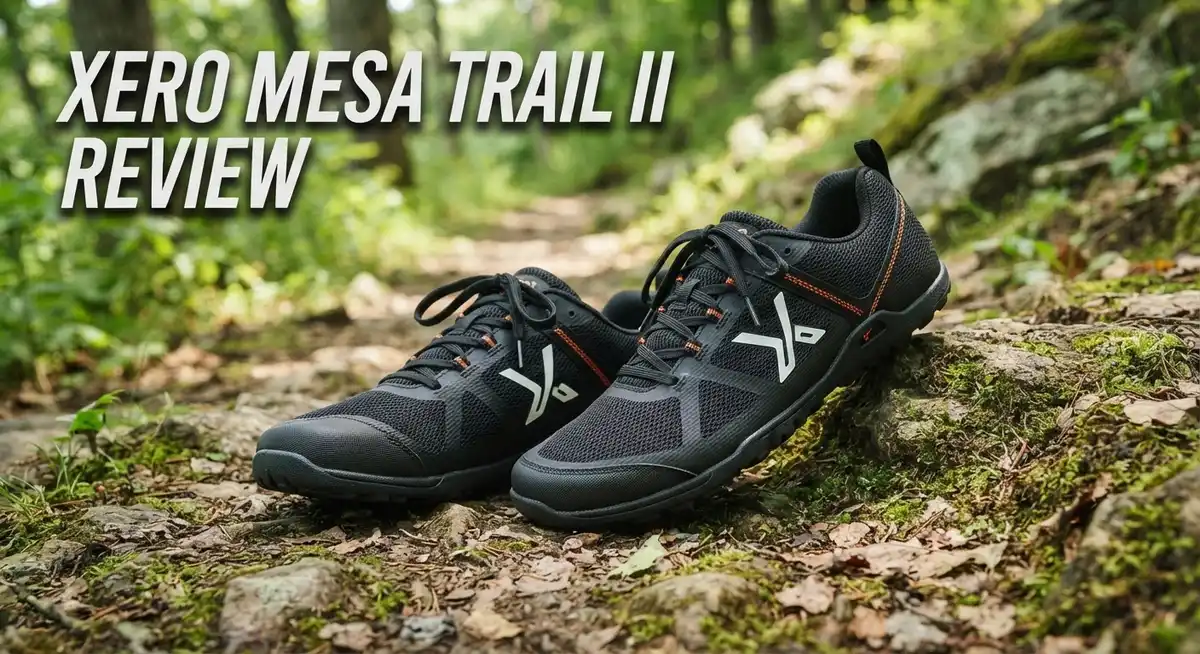
Do you love the feel of barefoot running but still want some protection? The Xero Mesa Trail II might be your answer.
This shoe brings a zero-drop heel and a wide, foot-shaped toe box. Your toes get room to spread and grip naturally.
With 3.5mm FeelTrue rubber lugs, this shoe grips loose dirt and gravel well. You feel the ground, but you stay steady on rocky paths.
It keeps a low stack height for a true ground-hugging feel. Yet it still offers enough protection for longer trail days.
Is it tough enough for backpacking? Can it handle both running and hiking trips? We tested the Mesa Trail II to find out.
This review breaks down its grip, comfort, and durability. You will see where it shines and where it falls short.
In a Nutshell
Here is the quick rundown on the Xero Mesa Trail II.
-
This shoe strikes a smart balance between protection and natural movement. You get just enough cushioning without losing ground feel.
-
Traction stays strong on loose trails and gravel. Flat surfaces feel smooth too, with no unwanted drag.
-
Build quality feels solid. The construction holds up well across repeated runs and hikes.
-
It works for both running and backpacking trips. One shoe can handle different adventures without swapping gear.
-
Compared to rivals like the Terraflex II or Altra Lone Peak, the Mesa Trail II leans lighter and more flexible. It trades some stiffness for a freer stride.
-
Rock protection is decent but not top tier. Sharp terrain may still need extra caution.
-
Overall, this shoe suits hikers and runners who want a natural stride with dependable grip. It is a solid pick for mixed terrain adventures.
Build and Materials
The Xero Mesa Trail II uses FeelTrue rubber as its outsole material. This compound delivers reliable grip across loose terrain. The lugs measure 3.5mm in depth, which sits in the sweet spot for trail work without adding bulk.
The upper construction keeps things simple and functional. Xero uses breathable fabric that lets your foot move naturally. Seams are reinforced at stress points, so the shoe holds up through repeated use. The toe box sits wide and foot shaped, giving your toes room to spread as they should.
The midsole stays minimal by design. Zero drop means your heel and forefoot sit at the same height. This creates a natural alignment for your foot and leg. The low stack height keeps you close to the ground, letting you feel the trail beneath you. That connection matters if you want to adjust your stride based on terrain.
Weight is kept low throughout the shoe. Xero stripped away unnecessary padding and material. Backpackers and runners appreciate this approach because it reduces fatigue on long days. Your feet don’t have to work harder to lift extra weight with each step.
The outsole pattern shows thoughtful design. Lugs are spaced to shed mud and debris quickly. Flat sections between lugs grip smooth rock surfaces without dragging. This balance keeps you from feeling stuck when you transition between terrain types.
Durability appears solid based on construction methods. The stitching is tight and even. Material choices suggest this shoe can handle repeated miles on rocky paths. Wear patterns on tested pairs show the outsole resists excessive breakdown.
One trade off: rock protection is moderate, not maximum. The thin sole lets you feel ground texture, which some runners prefer. Others who backpack on sharp scree may want thicker protection. The Mesa Trail II accepts this compromise to stay true to its barefoot philosophy.
Overall, the build prioritizes lightweight performance and natural movement over maximum cushioning or armor plating.

- Barefoot Trail Running Shoe: Designed for natural movement and rugged traction on any surface. Featuring zero-drop...
- Lightweight Performance & Natural Fit: Weighing just 7.8 oz (Men’s US 9), this minimalist runner offers...
- Breathable Support & Secure Lockdown: A ventilated mesh upper, protective welded panels, and midfoot tension straps...
Last update on 2026-10-14 / Affiliate links / Images from Amazon Product Advertising API
Traction and Ground Feel
The ground feel on the Mesa Trail II sets it apart from heavier trail shoes. You get direct contact with the earth below because the minimal stack height keeps your foot close to the ground. This connection matters if you enjoy sensing terrain changes as you move.
The 3.5mm FeelTrue rubber lugs work hard on loose surfaces. Gravel, dirt, and scree all get solid grip from this outsole pattern. The lugs space out evenly, so you don’t experience unnecessary drag when running on flat, packed trails. This balance keeps your pace smooth without sacrificing hold.
Rock scrambling reveals where this shoe shines and where it has limits. Traction stays reliable on exposed stone, but the modest lug depth means you won’t feel maximum grip compared to thicker alternatives. Sharp rocks still press through somewhat, so your feet notice the terrain more than in heavily cushioned boots.
Wet conditions show mixed results. The rubber maintains decent traction on damp earth and wet rock, though muddy slopes demand careful footwork. The lug pattern doesn’t channel water aggressively, so slick surfaces require extra attention.
The zero drop design enhances ground feel by keeping your heel and forefoot at the same level. This alignment lets you sense slope changes and obstacles more naturally. Your foot responds faster to uneven ground because nothing lifts your heel away from contact.
One key trade off exists here. The shoe prioritizes natural movement and feedback over maximum protection. If you need thick armor against sharp rocks, this isn’t your answer. But if you want your feet to communicate with the trail, the Mesa Trail II delivers exactly that.
Durability of the outsole rubber appears solid through regular use. The lugs resist excessive wear, and the grip holds up well across many miles. This means your traction stays consistent rather than fading quickly.
Ultimately, traction and ground feel work together on the Mesa Trail II. You get enough grip to move confidently while maintaining the barefoot sensations that draw people to minimal shoes. It’s a shoe for runners and hikers who value connection over cushioning.
Comfort and Fit
The Mesa Trail II fits true to size for most runners and hikers. The wide, foot-shaped toe box gives your toes room to splay naturally without pinching. This design matters when you’re covering miles on rocky terrain.
The shoe’s lightweight construction keeps your foot from feeling weighed down. You get a snug midfoot hold without excess bulk. The upper material breathes well, so your feet stay dry during longer outings.
Heel comfort stands out here. The zero-drop design means your heel sits at the same level as your forefoot. This creates a more natural foot position and reduces strain on your Achilles tendon. Many users appreciate this feature, especially on steep descents.
The ground-hugging profile takes getting used to. If you come from heavily cushioned shoes, the Mesa Trail II feels minimal at first. Your feet connect more directly with the trail. This isn’t a drawback for most people. It’s actually a feature that builds foot strength over time.
Break-in time is short. The shoe molds to your foot quickly without painful rubbing spots. The flexible midsole adapts to your stride rather than forcing a rigid pattern.
Arch support feels balanced. The shoe doesn’t have a high arch post, but the overall structure keeps your foot stable. People with neutral to slightly high arches report good comfort. Those with very flat feet might want to test fit first.
The 3.5mm FeelTrue rubber lugs provide enough cushioning for typical trail impacts. You feel the ground beneath you without experiencing harsh jolts. This balance appeals to hikers and runners who want feedback without pain.
Fit across the midfoot stays secure on technical terrain. The shoe hugs your foot without cutting off circulation. Lacing options let you dial in the tightness you need. Tighter lacing works for rock scrambling. Looser lacing suits longer, mellow hikes.
Overall, comfort on the Mesa Trail II comes from simplicity. The shoe does one job well: it lets your foot move naturally while staying protected. You won’t find plush cushioning here. What you get is honest, responsive comfort for active trail days.
Top 3 Alternatives
Salomon Speedcross Trail

- Built for kids who never slow down, the Salomon Kids Speedcross Waterproof shoes are made to keep up with every...
Last update on 2026-10-14 / Affiliate links / Images from Amazon Product Advertising API
The Salomon Speedcross Trail offers quick grip and responsive handling on uneven surfaces. This shoe features a sticky rubber outsole that adapts to rocky terrain. The midsole provides cushioning without feeling bulky or heavy.
Runners appreciate the snug fit around the heel. The shoe breathes well during intense activity. You get good ankle support on steep descents. The lug pattern channels water away effectively during wet conditions.
Merrell Moab 2 Hiking

- Pigskin leather and mesh upper
- 100% recycled laces and webbing
- Bellows tongue keeps out debris
Last update on 2026-10-13 / Affiliate links / Images from Amazon Product Advertising API
Merrell’s Moab 2 Hiking shoe combines comfort with serious durability. The Vibram outsole grips wet rock and loose gravel equally well. Hikers love the roomy toe box that prevents blisters on long days.
The shoe features a Bellows Flex system that moves naturally with your foot. This means less strain on your joints during extended hikes. The cushioned insole supports your arch without feeling rigid. The shoe handles both trails and casual walking smoothly.
La Sportiva Akasha Running

- Upper Material: [face fabric] AirMesh, [toe bumper, heel counter, exoskeleton] TPU, [forefoot overlays] Dynamic...
- Lining: [heel] AirMesh
- Closure: lace
Last update on 2026-10-14 / Affiliate links / Images from Amazon Product Advertising API
La Sportiva’s Akasha Running shoe delivers lightweight speed for trail runners. The shoe weighs significantly less than traditional hiking boots. The aggressive tread pattern grips technical terrain with precision.
The midsole balances cushioning and ground feel perfectly. You maintain connection with the trail while staying protected from impacts. The shoe breathes through mesh panels on the sides. The heel cup locks your foot in place during sharp turns and descents.
Each option serves different needs. Choose Salomon for fast-paced trail running. Pick Merrell for all-day hiking comfort. Select La Sportiva if you want a lightweight, technical running shoe. Your choice depends on how you spend time outdoors.
Protection and Durability
The Mesa Trail II holds up well under regular use, thanks to its straightforward construction and quality materials. The FeelTrue rubber outsole resists wear across different terrain types, from rocky paths to packed dirt. Most users report the sole maintains grip after months of consistent hiking and running.
The shoe’s lightweight design actually helps durability in one key way. Less material means fewer parts that can fail or separate. The minimal upper construction keeps stress off seams and attachment points. This simplicity pays off over time.
Rock protection sits at a moderate level here. The 3.5mm lugs offer some defense against sharp stones, but they won’t shield your foot like thicker, stiffer alternatives do. If you’re scrambling over sharp granite or jagged terrain regularly, you’ll feel impacts more directly. This is the trade off for maintaining ground feel and flexibility.
The outsole rubber shows solid resistance to abrasion. You won’t see rapid tread wear even after extended trail sessions. The lug pattern stays defined longer than some competitors offer. This means your traction stays reliable through the shoe’s lifespan.
Seams and stitching appear well executed throughout. The upper doesn’t show signs of premature separation or fraying. The toe box construction handles the stress of technical movement without breaking down. These details matter for long term durability.
One consideration: the minimal cushioning means impact forces travel more directly to your foot. This works fine for most people, but it does place more responsibility on your foot and leg muscles to absorb shock. Stronger feet adapt well. Weaker feet might fatigue faster.
The heel counter stays firm and doesn’t compress easily. This structural integrity helps the shoe maintain its shape season after season. Your foot won’t sink into a mushy, broken down heel like it might in older shoes.
Overall, the Mesa Trail II delivers solid durability for a minimalist trail shoe. It won’t outlast heavy duty boots, but it performs reliably for its category. The construction quality matches what you’d expect from Xero’s reputation. Expect consistent performance through regular trail use without major breakdown issues.
Suitable Activities and Terrain
The Xero Mesa Trail II excels on loose and gravelly terrain where its 3.5mm FeelTrue rubber lugs grip effectively without creating drag on flat surfaces. You’ll notice the shoe performs best when you’re moving across mixed ground conditions that demand quick adjustments.
Running on technical trails benefits from the shoe’s lightweight profile. Your feet stay responsive because the Mesa Trail II doesn’t add bulk to your stride. The zero drop design keeps you connected to the ground, which helps you feel rocks and roots before they become problems.
Backpacking represents another strong use case. The balanced protection works well for day hikes and multi day trips where you need both ground feel and reasonable defense against sharp objects. The breathable construction prevents your feet from overheating during longer efforts.
Rock scrambling reveals the shoe’s honest character. You get enough protection for moderate scrambles, but this isn’t a shoe for serious boulder hopping. The ground hugging profile actually helps here because you can feel foot placement more clearly. Your toes have room to spread in the wide toe box, which matters when you’re navigating uneven rock.
Wet conditions show mixed results. The rubber maintains grip on slick surfaces better than some minimalist shoes, though muddy trails can challenge any thin lug design. Your experience depends on the specific terrain and how wet things get.
The Mesa Trail II handles running equally well as hiking. The lightweight construction suits both activities without compromise. You won’t feel like you’re wearing a specialized shoe that only works in one mode.
Terrain limitations exist though. Extremely rocky terrain with sharp, exposed stones demands more protection than this shoe provides. Deep mud can reduce effectiveness of the thin lugs. Snow and ice aren’t ideal surfaces either.
For everyday trail use, weekend hikes, and trail running on moderate terrain, the Mesa Trail II delivers solid performance. The shoe shines when you value ground feel and natural movement over maximum armor. Your choice depends on how much protection you actually need for your specific activities.
Pros and Cons
Pros
- Excellent traction on loose and gravelly terrain thanks to the 3.5mm FeelTrue rubber lugs
- Lightweight construction keeps your foot feeling free without sacrificing protection
- Balanced blend of barefoot flexibility and reliable ground protection for most trail conditions
- Durable, well built construction with solid outsole rubber and clean stitching throughout
- Versatile for running, hiking, and backpacking on varied terrain
Cons
- Limited rock protection compared to thicker soled alternatives, especially on extremely rocky terrain
- Minimal cushioning means impact forces travel more directly to your foot on hard surfaces
- Grip can feel inconsistent on certain slick surfaces despite solid wet weather performance overall
Who Should Buy It
The Xero Mesa Trail II works best for runners and hikers who embrace minimalist footwear philosophy. If you love feeling connected to the ground beneath your feet, this shoe delivers that experience without compromise.
Trail runners seeking lightweight performance find the Mesa Trail II ideal. The shoe’s low stack height and ground-hugging profile let your feet sense terrain changes instantly. You’ll appreciate the responsive feel on technical trails where quick foot placement matters.
Backpackers benefit from the shoe’s versatility and durability. The well executed stitching and solid outsole rubber withstand miles of varied terrain. You get reliable grip on loose gravel and dirt without the extra weight that heavier boots demand.
Hikers comfortable with minimal cushioning should seriously consider this option. The direct ground feel helps you navigate uneven surfaces with confidence. Your feet stay engaged with each step, which many people find more natural than heavily padded alternatives.
Rock scrambling enthusiasts appreciate the honest character of this shoe. The zero drop design and foot shaped toe box give you freedom to move naturally over obstacles. Just understand that extremely rocky terrain with sharp, exposed stones requires accepting some ground feel through the sole.
This shoe suits active people who prioritize connection over cushioning. You should choose the Mesa Trail II if you’re not seeking maximum impact protection. The minimal design means shock forces travel more directly to your foot on hard surfaces, which suits people with strong feet and good form.
The Mesa Trail II works less well for those transitioning from heavily cushioned shoes. Your feet need time to adapt to the minimal stack height. Start with shorter distances on familiar terrain before tackling demanding trails.
Wet condition enthusiasts will find the rubber maintains grip better than many minimalist competitors. However, slick surfaces still demand careful footwork, so adjust your pace accordingly.
Choose the Mesa Trail II when you value lightweight performance, durability, and ground feel above all else. This shoe rewards runners and hikers who understand minimalist footwear and respect their feet’s natural capabilities.
Final Verdict
The Xero Mesa Trail II earns its place as a solid minimalist trail shoe. It delivers on its core promise. You get real ground feel without losing all protection.
This shoe shines brightest for people who already trust minimalist footwear. If you know your feet and trust natural movement, this shoe rewards you well.
Compared to the Terraflex II, the Mesa Trail II feels more flexible and less structured. The Terraflex suits stiffer terrain demands, while the Mesa Trail II stays closer to true barefoot feel.
Against Altra options like the Lone Peak, the Mesa Trail II takes a more stripped down approach. Altra shoes often add more cushion, which some hikers prefer for long days.
The Xero Prio Neo offers a lighter everyday alternative, but lacks the trail specific lugs that make the Mesa Trail II capable on technical ground.
Should you buy this shoe? Yes, if you want a trail shoe that respects foot shape and natural stride. The wide toe box lets toes spread and grip the ground naturally.
Yes, if you split time between running and backpacking. Few shoes handle both activities this smoothly without extra bulk.
No, if you need maximum rock protection for scree fields or sharp alpine terrain. Thicker soled shoes serve that need better.
No, if you are new to zero drop shoes. Your feet and calves need time to adjust before tackling long trail days.
Overall, the Mesa Trail II stands as a trustworthy companion for minimalist hikers and runners. It balances flexibility, grip, and durability in a package that feels honest about its limits.
For most trail lovers who want closer ground contact, this shoe checks the right boxes. It respects your foot’s natural design while still protecting you from everyday trail hazards.
Frequently Asked Questions
Can I use the Mesa Trail II for everyday wear?
The Mesa Trail II is built for trails first. Its aggressive lugs work great on loose ground but feel a bit grabby on pavement. You can wear it casually, but it’s not ideal for daily urban walking. The shoe shines when you take it off-road.
How does the Mesa Trail II perform on wet or slippery surfaces?
The 3.5mm FeelTrue rubber lugs grip well on most terrain. Wet rock and mud present more of a challenge. The shoe performs best on dry to damp conditions. On extremely slick surfaces, you’ll notice the minimalist sole offers less aggressive bite than heavier trail shoes.
Is this shoe good for long distance backpacking?
Yes. The lightweight design reduces foot fatigue over many miles. The versatility means it handles varied terrain without drama. Many backpackers love the Mesa Trail II because it doesn’t weigh you down. Just remember the limited rock protection matters more on multi day trips with heavy packs.
What’s the break in period like?
The Mesa Trail II needs minimal break in time. The foot shaped toe box feels natural from day one. Most users report comfort within the first few wears. Your feet adjust faster than with traditional trail shoes because the design respects your natural foot shape rather than forcing it into a mold.
How does it compare to other Xero trail options?
The Terraflex II offers more structure and durability but feels stiffer. The Prio Neo is lighter for everyday use but lacks trail specific lugs. The Mesa Trail II sits in the sweet spot between flexibility and trail protection, making it the most versatile Xero trail choice.

I’m Danica, the voice behind StyleSense! As a passionate explorer of all things fashion, beauty, and wellness, I’m dedicated to helping you navigate the overwhelming world of style and self-care products. With years of experience testing and reviewing everything from trendy fashion pieces to innovative beauty solutions and health supplements, I bring you honest, detailed insights that you can trust.