Xero Prio Neo Review: Minimalist Barefoot Hiking Shoe Guide
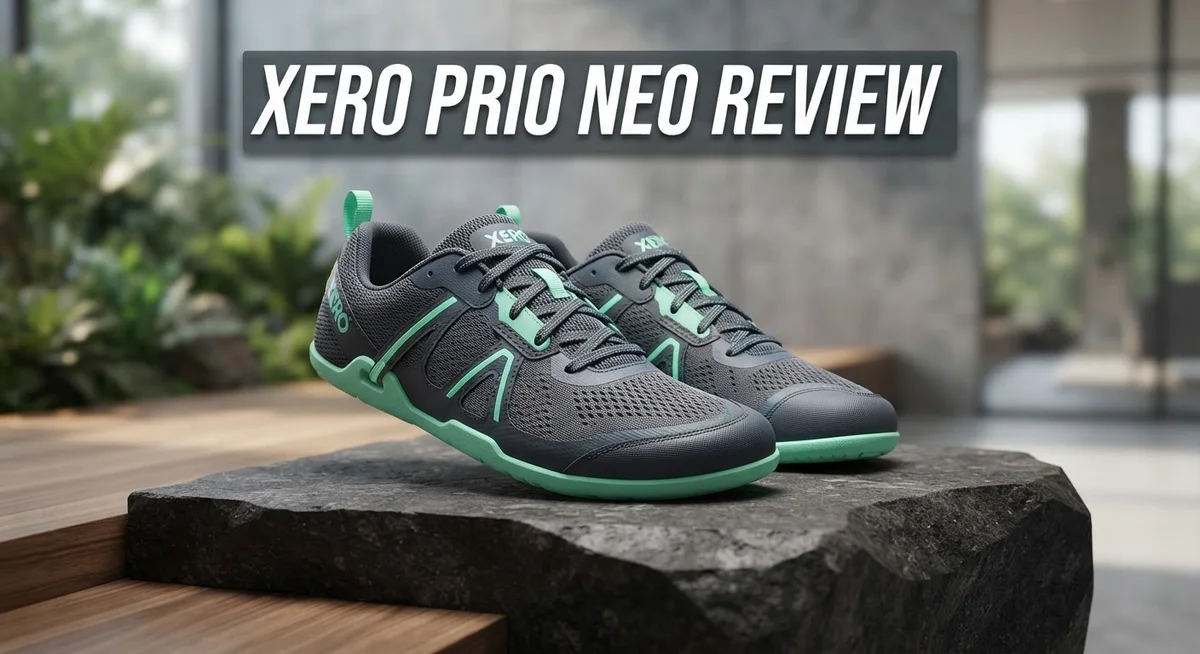
Looking for a shoe that lets your feet move naturally? The Xero Prio Neo might catch your eye. This shoe brings a zero drop platform and a flexible sole to your feet. It gives your toes room to spread out and grip the ground.
Many hikers love this shoe for trail adventures. Some testers even wore it through the Grand Canyon. It feels light and simple on your feet.
But this shoe is not for everyone. People with flat feet may struggle without arch support. Some users report foot or knee strain after long wear.
In this review, we break down the real pros and cons. You will learn who should wear the Prio Neo and who should skip it. Let’s jump in and see if this shoe fits your next adventure.
In a Nutshell
Here is the quick scoop on the Xero Prio Neo:
-
This shoe gives you a zero drop platform. Your heel and toe sit at the same level. It helps your foot move like it’s barefoot.
-
The toe box is wide and foot shaped. Your toes get room to spread out naturally.
-
It sits low to the ground. This design boosts ground feel on every step.
-
The sole stays flexible. It bends easily with your foot’s natural motion.
-
The upper uses TPU material. This makes it lighter but less tough than the standard Prio model.
-
Sizing runs small. Many buyers suggest ordering a half size up for a comfy fit.
Bottom line: this shoe shines on trails and hikes. People with flat feet or arch issues might feel discomfort though. Some users also report toe or knee strain after long wear. Weigh these points before you decide.
Build and Materials
The Xero Prio Neo uses TPU material for its upper construction. This choice makes the shoe lighter and more flexible than the standard Prio model. However, TPU is less durable over time, especially with heavy trail use.
The sole features a zero drop platform that keeps your heel and forefoot at the same height. This design encourages natural foot positioning and reduces stress on your Achilles tendon. The sole itself stays flexible, allowing your foot to bend and move as it would barefoot.
Your toes get plenty of room in the wide, foot shaped toe box. This shape lets your toes splay naturally instead of being cramped together. Many barefoot shoe users appreciate this feature for long distance hiking and trail running.
The shoe sits low to the ground, which gives you better ground feel and balance on uneven terrain. This low profile helps you sense rocks, roots, and trail changes beneath your feet. It also keeps your center of gravity closer to the earth.
The overall construction prioritizes minimalism and lightweight design. Every component works to keep the shoe simple and functional. You won’t find extra cushioning or support systems here. Instead, the shoe lets your feet do the work they evolved to do.
One important detail: sizing runs small. Most users recommend ordering a half size up from your normal shoe size. This prevents your toes from feeling cramped in the toe box.
The durability difference between the TPU upper and the standard Prio matters for long term use. If you plan to wear these shoes frequently on rough trails, expect the upper to show wear sooner. The sole itself holds up well, but the TPU material may develop creases or tears with heavy use.
This construction approach works best for people who want a truly minimal experience. Your feet control the movement. The shoe simply protects your sole and provides minimal structure. If you need arch support or cushioning, this shoe’s construction won’t meet those needs.

- Natural Movement Design: Barefoot + minimalist principles with a wide toe box for natural splay, zero-drop for...
- Lightweight Performance: A sleek take on our icon; multi-purpose performance trainer
- True To Size Supportive Fit: Breathable mesh upper with welded accents
Last update on 2026-10-14 / Affiliate links / Images from Amazon Product Advertising API
Fit and Sizing
The Xero Prio Neo runs small, so order half a size up from your normal shoe size. This is crucial. Many buyers skip this step and end up with an uncomfortable fit.
Your foot shape matters for this shoe. The wide toe box lets your toes spread naturally. If you have narrow feet, you might experience extra movement inside the shoe. This isn’t ideal for stability during long hikes.
The shoe works well for people with normal to wide feet. Your toes get genuine freedom to splay and move. This natural positioning reduces toe cramping on extended trail days. The low to the ground design keeps you connected to the terrain below.
Flat feet present a real challenge with the Xero Prio Neo. This shoe offers zero arch support. If you need lift or cushioning under your arch, this isn’t your shoe. Many people with flat feet report foot pain, especially in the big toe area. The minimal design simply doesn’t provide what your feet need.
Your ankle and knee alignment matters too. The zero drop platform means your heel sits at the same height as your forefoot. For some users, this positioning causes strain. If you have ankle or knee issues, start with shorter wearing periods. Gradually increase your time in the shoe as your body adapts.
The TPU upper material affects how the shoe conforms to your foot. It’s less stretchy than standard Prio material. This means the fit remains consistent but may feel snug initially. The shoe doesn’t mold to your foot as quickly as traditional running shoes.
Test the fit carefully before committing to long hikes. Wear the shoe around your home first. Walk on different surfaces. Notice how your foot feels inside. Pay attention to pressure points around your toes and heel. The shoe should feel snug but not restrictive. Your toes need room to move without slipping. Getting the sizing right makes all the difference in your experience with the Xero Prio Neo.
Performance and Terrain Suitability
The Xero Prio Neo excels on trails and uneven ground. The low profile design gives you excellent ground feedback. You feel every rock and root beneath your feet. This connection helps you move with confidence on rocky paths.
The flexible sole adapts to natural terrain changes. Steep inclines and descents become easier to navigate. Your foot can adjust its angle without fighting a rigid midsole. Hikers report that this responsiveness reduces fatigue during long outings.
Ground contact matters for balance. The shoe keeps you close to the earth. This positioning strengthens your ankle stabilizers over time. Your proprioception improves as you hike more often. Many users notice better stability on technical sections after a few weeks.
However, terrain suitability depends on your foot structure. The shoe performs best on rocky, uneven surfaces. Smooth, paved paths don’t showcase its strengths as well. The minimalist design shines when you need precise footwork.
Flat feet present real challenges here. The zero drop platform offers no arch support. Prolonged hiking can cause discomfort in your foot’s center. People with flat feet may experience pain during longer outings. Consider this carefully before committing to trail use.
Soft, muddy terrain requires caution too. The flexible sole provides less protection from sharp objects. Wet grass and soft earth can feel unstable at first. Your feet need time to adjust to this type of feedback.
The shoe handles rocky desert trails exceptionally well. Grand Canyon hikers have tested it successfully. The wide toe box prevents your toes from bunching on descents. This design prevents common hiking foot problems.
Steep elevation changes work in your favor. The low design keeps your center of gravity close to the ground. Your ankles feel more stable on climbs. The flexible sole absorbs impact naturally on downhill sections.
Overall, the Xero Prio Neo suits active hikers with normal foot arches. Rocky, technical terrain brings out its best features. Smooth surfaces and flat feet make this shoe less ideal. Your terrain choice directly impacts whether this shoe works for you.
Top 3 Alternatives
Xero Shoes Prio

- Natural Movement Design: Barefoot + minimalist principles with a wide toe box for natural splay, zero-drop for...
- Lightweight Performance: Our icon that started it all; multi-purpose athletic shoe
- True to size. Supportive Fit: Breathable mesh upper with moisture-wicking lining
Last update on 2026-08-20 / Affiliate links / Images from Amazon Product Advertising API
The Xero Shoes Prio offers a minimalist running experience that prioritizes ground feel. This shoe features a zero-drop design, meaning your heel and forefoot sit at the same height. The upper wraps snugly around your foot, giving you precise control during quick movements.
You get a thin, flexible sole that lets your feet sense the terrain beneath you. The breathable mesh keeps your feet cool during warm weather runs. Many runners appreciate how light this shoe feels on their feet.
Vivobarefoot Primus Lite

- Train Naturally: The Primus Lite IV is a versatile barefoot trainer designed for running, workouts, and everyday...
- Wide, Thin & Flexible: A foot-shaped design, thin sole, and flexible construction promote natural stability...
- Lightweight Performance: Breathable mesh construction and a lightweight design help keep you comfortable through...
Last update on 2026-10-14 / Affiliate links / Images from Amazon Product Advertising API
Vivobarefoot designed the Primus Lite for everyday activities and light running. This shoe combines minimalist principles with a bit more cushioning than ultra-minimal options. The sole remains thin enough to maintain ground connection while providing gentle support.
The upper uses sustainable materials, appealing to eco-conscious runners. Your foot gets room to spread naturally in the toe box. The shoe works well for people transitioning into barefoot running because it offers a gentler learning curve.
Merrell Vapor Glove

- 100% recycled breathable mesh upper
- 100% recycled breathable mesh lining
- Merrell Barefoot 2 construction is designed to keep the foot in a natural position

Last update on 2026-10-14 / Affiliate links / Images from Amazon Product Advertising API
The Merrell Vapor Glove delivers trail-ready minimalism with a protective sole. This shoe suits runners who want minimal cushioning but need extra grip on uneven surfaces. The outsole provides traction without adding bulk.
Your foot sits close to the ground, maintaining natural movement patterns. The snug fit keeps debris out during trail runs. The reinforced toe cap protects your toes from rocks and roots. Runners who want minimal shoes for off-road adventures often choose this option.
Each of these alternatives approaches minimalist footwear differently, so your choice depends on your running environment and preference for ground feel versus protection.
Comfort and Natural Foot Positioning
Your foot naturally wants to spread and move. The Xero Prio Neo lets it do exactly that. The wide, foot-shaped toe box gives your toes genuine freedom to splay during each step. This matters more than most people realize.
Natural positioning starts at the ground. The zero drop platform keeps your heel and forefoot at the same height. Your body stays aligned from ankle to hip. No artificial lift throws off your posture. This is what barefoot-style shoes aim for.
The low-to-the-ground design brings you closer to the earth. You feel every surface beneath you. Your proprioception improves. Balance comes easier on rocky trails. Your foot muscles engage more actively than they would in traditional hiking boots.
Flexibility is key here. The sole bends with your foot’s natural motion. It does not fight your gait. Rocky terrain, roots, and uneven ground all become easier to navigate. Your foot adapts to the landscape instead of the landscape adapting to stiff soles.
However, comfort depends on your foot structure. People with normal arches experience the most benefit. Your foot naturally curves and supports itself. The shoe complements this.
People with flat feet face challenges. The zero drop platform offers no arch support. Pain in the big toe area gets reported by some users. This happens when flat feet roll inward without proper support. Your knees and ankles may strain if your foot structure does not match this shoe’s design.
Test your fit carefully before big hikes. The TPU upper material conforms gradually to your foot shape. Initial stiffness can cause discomfort. Your foot needs time to break in the shoe. Shorter walks help you gauge whether this shoe works for your body.
The minimalist approach works beautifully for active hikers with normal foot arches. Your body feels more connected to the trail. Natural movement becomes possible. But honest self-assessment matters. Know your foot type before committing to this minimalist experience.
Durability and Longevity
The Xero Prio Neo uses a TPU upper material that differs from the standard Prio model. This construction choice affects how long the shoe lasts over time. TPU uppers are lighter and more flexible, but they don’t have the same resistance to wear and tear as traditional materials.
Your typical use determines durability more than anything else. Hikers who tackle rocky desert trails will see different wear patterns than those on softer ground. The flexible sole adapts to terrain, which reduces stress on specific spots. This actually helps the shoe last longer in high impact areas.
The zero drop platform and low ground contact mean less cushioning to absorb repeated shock. Your foot absorbs more direct impact with each step. Over months of heavy use, this can affect the upper material’s integrity. The TPU responds well to gradual stress, but sudden impacts wear it down faster.
Moisture and humidity also play a role in longevity. TPU materials handle wet conditions reasonably well, but repeated exposure to mud and water can degrade the upper. Proper cleaning and drying after each hike extends the shoe’s life significantly.
The wide toe box design actually benefits durability. Your toes have room to move without creating pressure points that tear or fray the material. This natural foot positioning reduces stress concentration in one area. The sole’s flexibility means the upper doesn’t experience excessive bending at weak points.
Most users report the Xero Prio Neo holds up well for one to two seasons of regular hiking. Moderate use extends the lifespan considerably. Heavy trail runners who use the shoe daily may see faster deterioration in the upper material. The sole itself remains functional longer than the upper typically lasts.
To maximize durability, store the shoe in a cool, dry place between hikes. Avoid leaving it in direct sunlight for extended periods. Clean off dirt and debris promptly. These simple steps help the TPU upper maintain its integrity and keep the shoe performing well season after season.
Pros and Cons
Pros
- Excellent grip and stability on rocky desert trails and uneven terrain
- Wide toe box lets your foot spread naturally, reducing strain during long hikes
- Zero drop platform keeps your heel and forefoot level for balanced movement
- Lightweight and minimalist design means less weight on your feet
- Multiple color options let you match your outdoor style
Cons
- Not suitable if you have flat feet or need arch support
- TPU upper material is less durable than the standard Prio model
- Some users report pain in the big toe area after extended wear
- Runs small, so you need to order half a size up
- May cause knee or ankle strain if your feet aren’t adapted to minimal shoes yet
Who Should Buy It
The Xero Prio Neo works best for specific foot types and activity levels. You should buy this shoe if you have a normal to high arch and enjoy trail running or hiking.
Active hikers benefit most from this model. If you spend weekends on rocky terrain or desert trails, the Neo’s grip and stability shine. The wide toe box lets your toes spread naturally. This reduces foot fatigue during long days outdoors. The lightweight design keeps your feet fresh when covering distance.
Barefoot shoe enthusiasts find real value here. You want minimal cushioning between your foot and the ground. You prefer feeling the earth beneath you. The zero drop platform and low profile deliver exactly that experience. Your feet adapt well to minimal shoes already.
Avoid this shoe if certain conditions apply to you. Do not buy the Neo if you have flat feet or need arch support. Your feet will feel unstable and uncomfortable. Pain in the big toe area commonly affects people with flat arches wearing minimal shoes.
Skip this model if you’re new to barefoot footwear. Your feet and legs need time to adapt to minimal cushioning. Jumping straight into the Neo risks knee and ankle strain. Start with a more cushioned option first, then transition later.
The standard Xero Prio might suit you better if durability concerns you. The Neo’s TPU upper material wears faster than the original Prio’s construction. One to two seasons of regular use is typical before the upper shows significant wear.
Runners seeking a lightweight trail option should consider the Neo. Your feet need freedom and ground contact. You don’t mind the minimal cushioning. The flexible sole adapts to uneven surfaces beautifully.
Finally, remember the sizing runs small. Order half a size up from your normal shoe size. This adjustment prevents cramping and discomfort during your first hikes. Test the fit carefully before committing to serious trail use.
Final Verdict
The Xero Prio Neo stands out as a solid choice for hikers who love natural movement. It gives your feet room to breathe and move the way nature intended.
This shoe shines brightest on rough trails. Think rocky paths, desert dust, and uneven ground. Your feet stay connected to the earth with every step.
However, this shoe is not for everyone. People with flat feet or those who need extra support should look elsewhere. The lack of cushioning and structure can cause discomfort over time.
Beginners to barefoot footwear should also pause before buying. Your feet need time to adjust to zero drop platforms. Jumping straight into trail use without preparation can lead to strain.
For seasoned minimalist shoe fans, this model delivers real value. You get a lightweight design that doesn’t weigh you down on long hikes. The wide toe box lets your foot move naturally with each stride.
Comfort comes with a tradeoff though. The upper material wears faster than other Xero models. If longevity tops your list of needs, the standard Prio might serve you better.
Think about your weekly activities before deciding. Do you spend most weekends on trails? Does your foot type match what this shoe offers? These questions matter more than specs alone.
The bottom line: This shoe rewards the right user with comfort and freedom. It punishes the wrong user with pain and frustration. Know your feet and your needs first.
Active hikers with healthy arches and prior barefoot experience will likely love this model. Casual walkers or those needing arch support should explore other options in the Xero lineup.
Your feet deserve shoes that match your lifestyle. This model fits a specific type of outdoor enthusiast. Make sure you fit that description before you commit to a pair.
Frequently Asked Questions
Does the Xero Prio Neo work for people with flat feet?
No, this shoe is not ideal for flat feet. The zero-drop platform and minimal arch support mean your feet get little lift. People with flat feet often need extra cushioning and arch structure to stay comfortable.
If you have flat feet, consider the standard Xero Prio or explore other models with more support built in.
How much smaller does the Xero Prio Neo fit compared to regular shoes?
The Neo runs small. You should order half a size up from your normal shoe size. This is important because the foot-shaped toe box is snug by design.
Don’t skip this sizing tip. Going up half a size helps you get the right fit on your first try.
Can I wear the Xero Prio Neo if I’m new to barefoot shoes?
Start slowly if you’re new to barefoot footwear. Your feet, ankles, and knees need time to adapt to minimal cushioning. Jumping straight into the Neo can cause discomfort or strain.
Experienced minimalist shoe users will find the transition easier. If you’re just starting out, wear the Neo for short walks first. Build up to longer hikes over several weeks.
Is the TPU upper material durable enough for rough trails?
The TPU upper is less durable than the standard Prio model. It holds up fine for regular hiking, but heavy use on sharp rocks can wear it down faster.
If durability is your main concern, the standard Prio offers a tougher upper. The Neo prioritizes flexibility and natural feel over maximum toughness.
What makes the Xero Prio Neo different from the standard Xero Prio?
The Neo features a more flexible sole and a wider toe box for natural toe splay. It’s lighter and more minimalist overall. The standard Prio offers more durability in the upper material and slightly more structure.
Choose the Neo for maximum ground feel and freedom. Pick the standard Prio if you want better durability and a bit more support.

I’m Danica, the voice behind StyleSense! As a passionate explorer of all things fashion, beauty, and wellness, I’m dedicated to helping you navigate the overwhelming world of style and self-care products. With years of experience testing and reviewing everything from trendy fashion pieces to innovative beauty solutions and health supplements, I bring you honest, detailed insights that you can trust.